The World of the Hero: Homer’s Odyssey or Iliad and Virgil’s Aeneid The foundation of Greek culture, Homer’s epics allow to you delve into the world of the famous Greek gods and of the Trojan War. Drawing inspiration from Homer, Virgil’s Aeneid traces Aeneas’s journey after his escape from the Greeks at Troy and explores what it was to be a hero in the Roman world. Culture and the Arts: Imperial Image The idea of a politician ‘spinning’ their public image is one, which is very familiar from our contemporary media; and so this exploration of a Roman politician and his successful propaganda campaign is both highly relevant and engaging. Augustus Caesar was, through careful management of public opinion, able to convince a society that was fundamentally anti-monarchical to turn away from its republican values and to accept one-man rule. Beliefs and Ideas: Democracy and the Athenians What was the world’s first democracy actually like? Here you will examine the concept of direct democracy, how it was established, how it worked, was celebrated and was criticised. Was it fatally flawed, and were popular leaders (demagogues) really able to mislead the public? Learning Outcomes A-level Classicists will be taught to work independently and think critically. Using a wide range of evidence, including ancient historical texts, works of philosophy, plays, archaeological artefacts and archaeological sites, you will learn how to respond critically to historical questions in the form of essays, debates, or seminar-style discussions. Small class sizes will allow informal and focused discussion of the ancient world. You will also learn to write in a structured and analytical style, and to incorporate detailed evidence into your answers. Regular essays will be set to develop these skills. Engaging with a wide variety of sources, literary and archaeological, will equip you with the wideranging
- 6 Grade in History or English Literature at GCSE level. - Grade 5 in English and Maths PLUS at least 3 other GCSE grades 5 or above
About Education Provider
| Region | South East |
| Local Authority | Hampshire |
| Ofsted Rating | Outstanding |
| Gender Type | Co-Educational |
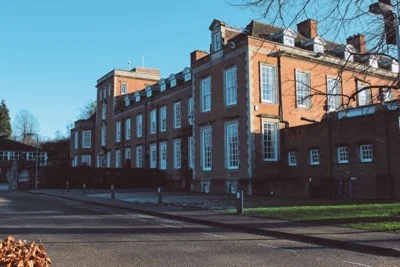
| Address | Longmoor Road, Liphook, GU30 7NY |
The World of the Hero: Homer’s Odyssey or Iliad and Virgil’s Aeneid The foundation of Greek culture, Homer’s epics allow to you delve into the world of the famous Greek gods and of the Trojan War. Drawing inspiration from Homer, Virgil’s Aeneid traces Aeneas’s journey after his escape from the Greeks at Troy and explores what it was to be a hero in the Roman world. Culture and the Arts: Imperial Image The idea of a politician ‘spinning’ their public image is one, which is very familiar from our contemporary media; and so this exploration of a Roman politician and his successful propaganda campaign is both highly relevant and engaging. Augustus Caesar was, through careful management of public opinion, able to convince a society that was fundamentally anti-monarchical to turn away from its republican values and to accept one-man rule. Beliefs and Ideas: Democracy and the Athenians What was the world’s first democracy actually like? Here you will examine the concept of direct democracy, how it was established, how it worked, was celebrated and was criticised. Was it fatally flawed, and were popular leaders (demagogues) really able to mislead the public? Learning Outcomes A-level Classicists will be taught to work independently and think critically. Using a wide range of evidence, including ancient historical texts, works of philosophy, plays, archaeological artefacts and archaeological sites, you will learn how to respond critically to historical questions in the form of essays, debates, or seminar-style discussions. Small class sizes will allow informal and focused discussion of the ancient world. You will also learn to write in a structured and analytical style, and to incorporate detailed evidence into your answers. Regular essays will be set to develop these skills. Engaging with a wide variety of sources, literary and archaeological, will equip you with the wideranging
- 6 Grade in History or English Literature at GCSE level. - Grade 5 in English and Maths PLUS at least 3 other GCSE grades 5 or above