Course Outline: 1. Social Influence—why we conform, obey etc. How minorities can influence majorities 2. Memory—how is it structured, why do we forget, factors affecting eyewitness testimony 3. Attachment—how and why do we form attachments, what happens if we lose an attachment figure 4. Psychopathology—how do we define ‘abnormal’? How can we explain and treat OCD, depression and phobias? 5. Approaches—how do different psychologists explain the same behaviour 6. Biopsychology— how does our physiology affect our behaviour? What do we know about the brain and how do we study it? 7. Research Methods—how we collect and analyse data in Psychology 8. Issues and Debates—what are the relevant issues and debates when explaining human behaviours? 9. Relationships—how do romantic relationships form, remain and break down? Other types of relationship 10. Eating Behaviour—how can we explain food preferences and eating disorders? 11. Aggression—what causes aggression? What can students do with this qualification: Clinical Psychologist, Educational Psychologist, Forensic Psychologist, Health Psychologist, Occupational Psychologist, Psychiatric Nurse, Counsellor, Childcare Worker, Child Psychologist, Social Worker, Law, Careers Advisor, Teacher, Human Resources, Police Officer and many more...
5 GCSE’s at grade 4 and above including English or Maths. 6+ in English, Maths and Science GCSE.
Three exam papers to be sat at the end of year 13, each lasting 2 hours and worth 96 marks (including multiple-choice, short answer, and extended writing questions): 1. Introductory topics in Psychology (1-4 below) worth 33.3% A-level qualification 2. Psychology in context (5-7 below) worth 33.3% A-level qualification 3. Issues and options in Psychology (8-11 below) worth 33.3% A-level qualification
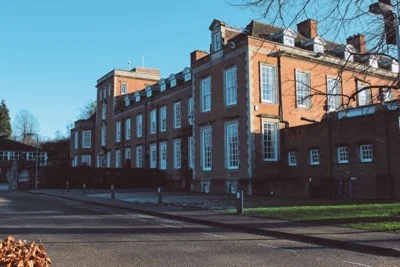
About Education Provider
| Region | West Midlands |
| Local Authority | Worcestershire |
| Ofsted Rating | Good |
| Gender Type | Co-Educational |
| Address | Minster Road, Stourport-on-Severn, DY13 8AX |
Course Outline: 1. Social Influence—why we conform, obey etc. How minorities can influence majorities 2. Memory—how is it structured, why do we forget, factors affecting eyewitness testimony 3. Attachment—how and why do we form attachments, what happens if we lose an attachment figure 4. Psychopathology—how do we define ‘abnormal’? How can we explain and treat OCD, depression and phobias? 5. Approaches—how do different psychologists explain the same behaviour 6. Biopsychology— how does our physiology affect our behaviour? What do we know about the brain and how do we study it? 7. Research Methods—how we collect and analyse data in Psychology 8. Issues and Debates—what are the relevant issues and debates when explaining human behaviours? 9. Relationships—how do romantic relationships form, remain and break down? Other types of relationship 10. Eating Behaviour—how can we explain food preferences and eating disorders? 11. Aggression—what causes aggression? What can students do with this qualification: Clinical Psychologist, Educational Psychologist, Forensic Psychologist, Health Psychologist, Occupational Psychologist, Psychiatric Nurse, Counsellor, Childcare Worker, Child Psychologist, Social Worker, Law, Careers Advisor, Teacher, Human Resources, Police Officer and many more...
5 GCSE’s at grade 4 and above including English or Maths. 6+ in English, Maths and Science GCSE.
Three exam papers to be sat at the end of year 13, each lasting 2 hours and worth 96 marks (including multiple-choice, short answer, and extended writing questions): 1. Introductory topics in Psychology (1-4 below) worth 33.3% A-level qualification 2. Psychology in context (5-7 below) worth 33.3% A-level qualification 3. Issues and options in Psychology (8-11 below) worth 33.3% A-level qualification