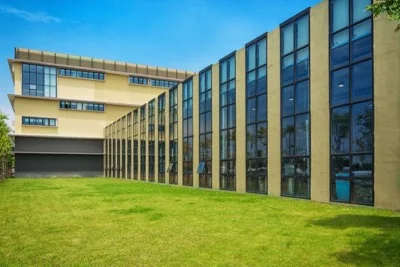
A Level Music Technology lets you practically explore the technological composition of music, using industry standard software as well as recording in well-equipped studios. After studying Music Technology you will be able to edit the work of others and create your own digital pieces, in a range of styles. Topics • Audio Editing • Industry Standard Recording Studio Facilities • Dynamic Processing • Equalisation • Use of Effects
• GCSEs to iGCSEs to include a minimum Grade 4 in Music or 5 in Music Performance or Theory (ABRSM) • Minimum average GCSE score of 4 • If you do not have these you will be assessed on your own suitable portfolio
This course is assessed by: 20% Recording Examination 20% Composing Examination 25% Listening and Analysing Examination 35% Producing and Analysing Examination
About Education Provider
| Region | South East |
| Local Authority | Hampshire |
| Ofsted Rating | Outstanding |
| Gender Type | Co-Educational |
| Address | Chestnut Avenue, Eastleigh, SO50 5ZA |
A Level Music Technology lets you practically explore the technological composition of music, using industry standard software as well as recording in well-equipped studios. After studying Music Technology you will be able to edit the work of others and create your own digital pieces, in a range of styles. Topics • Audio Editing • Industry Standard Recording Studio Facilities • Dynamic Processing • Equalisation • Use of Effects
• GCSEs to iGCSEs to include a minimum Grade 4 in Music or 5 in Music Performance or Theory (ABRSM) • Minimum average GCSE score of 4 • If you do not have these you will be assessed on your own suitable portfolio
This course is assessed by: 20% Recording Examination 20% Composing Examination 25% Listening and Analysing Examination 35% Producing and Analysing Examination