
Film Studies asks students to challenge any preconceptions of the world as presented to them on the silver screen. Film Studies will not take anything away from the pleasure of being part of the cinema audience; indeed, it should enhance the experience, by equipping students with the essential tools for analysing and criticising films, in an academically rigorous style. Students will develop an understanding of the institutional business factors which dictate the way in which films are financed and produced. Going to the cinema is an event which we are all familiar with: it is a unique social ritual in which we shut ourselves away from our peers for the duration of the film, and, very often, immerse ourselves completely in the reality that is offered to us on the screen. In Film Studies, students will analyse how and why meaning is made on screen via a variety of critical approaches, whilst developing creative skills in shaping original film concepts of their own for a truly rewarding experience. Career Pathways – Film Journalism, Media – Advertising and Communications – English and Creative Writing – Screen Writing TV, Film and Theatre – English and Media Studies – Film Production, Director/Editor – Television Broadcasting
Grade 5 in English Language or Literature
Modules Component 1: Varieties of film and film making – Section A: Hollywood 1930–1990 (comparative study) – Section B: American Film Since 2005 (two films) – Section C: British Film Since 1995 (two films) Component 2: Global Film Making Perspectives – Section A: Global Film (two films) – Section B: Documentary Film (one documentary) – Section C: Film Movements (Silent Cinema) – Section D: Film Movements: Experimental Film (1960–2000) Component 3: Production Coursework Assessment Component 1 + 2 – Exam: (70%) Production Coursework – (30%)
About Education Provider
| Region | South West |
| Local Authority | Gloucestershire |
| Ofsted Rating | Good |
| Gender Type | Co-Educational |
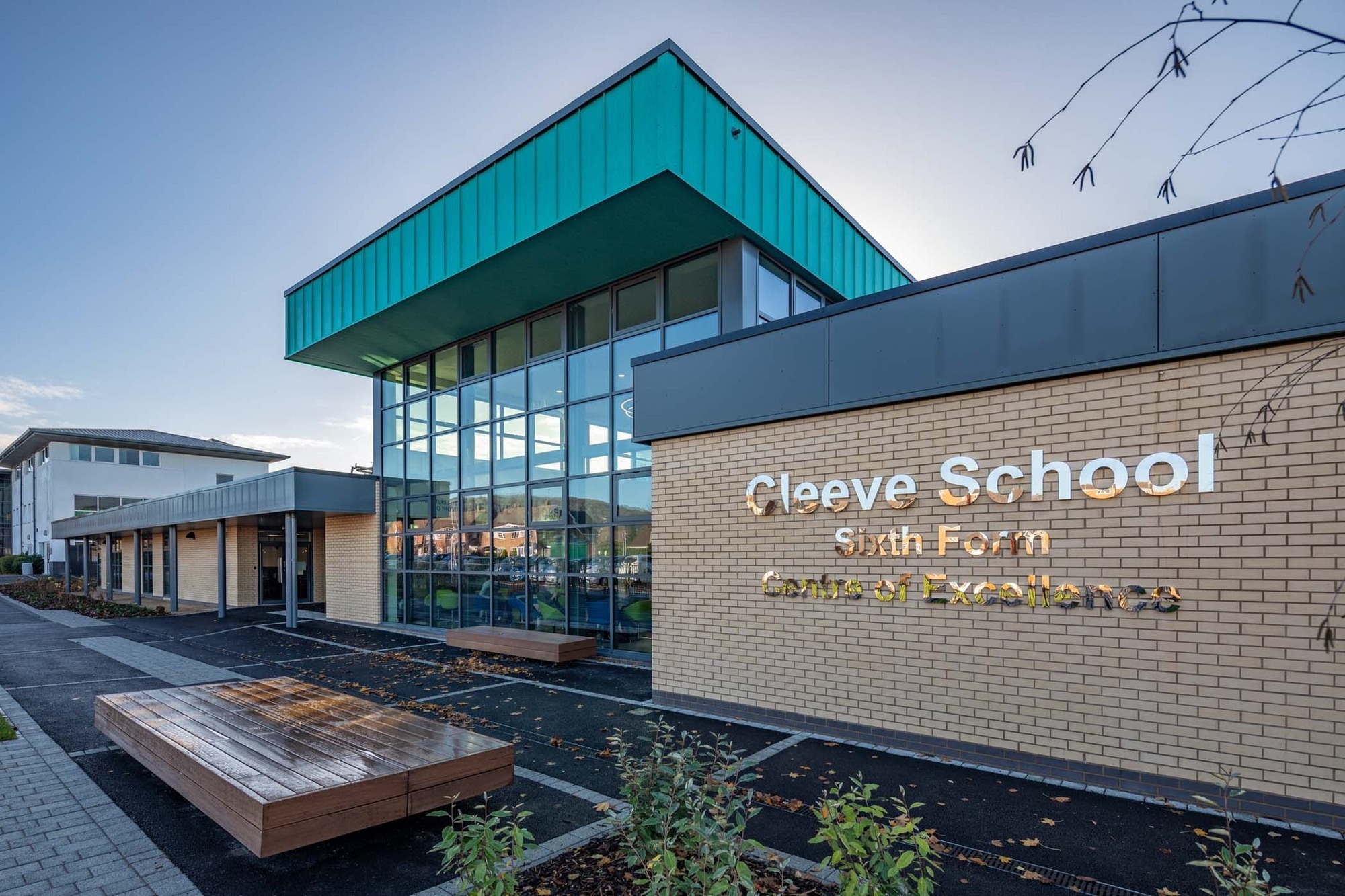
| Address | Two Hedges Road, Bishops Cleeve, Cheltenham, GL52 8AE |
Film Studies asks students to challenge any preconceptions of the world as presented to them on the silver screen. Film Studies will not take anything away from the pleasure of being part of the cinema audience; indeed, it should enhance the experience, by equipping students with the essential tools for analysing and criticising films, in an academically rigorous style. Students will develop an understanding of the institutional business factors which dictate the way in which films are financed and produced. Going to the cinema is an event which we are all familiar with: it is a unique social ritual in which we shut ourselves away from our peers for the duration of the film, and, very often, immerse ourselves completely in the reality that is offered to us on the screen. In Film Studies, students will analyse how and why meaning is made on screen via a variety of critical approaches, whilst developing creative skills in shaping original film concepts of their own for a truly rewarding experience. Career Pathways – Film Journalism, Media – Advertising and Communications – English and Creative Writing – Screen Writing TV, Film and Theatre – English and Media Studies – Film Production, Director/Editor – Television Broadcasting
Grade 5 in English Language or Literature
Modules Component 1: Varieties of film and film making – Section A: Hollywood 1930–1990 (comparative study) – Section B: American Film Since 2005 (two films) – Section C: British Film Since 1995 (two films) Component 2: Global Film Making Perspectives – Section A: Global Film (two films) – Section B: Documentary Film (one documentary) – Section C: Film Movements (Silent Cinema) – Section D: Film Movements: Experimental Film (1960–2000) Component 3: Production Coursework Assessment Component 1 + 2 – Exam: (70%) Production Coursework – (30%)