This course is open to people of any religious faith or none. An enquiring and open mind are essential ingredients when embarking on this course. Good essay writing skills will also be vital to enable you to demonstrate your knowledge and understanding of the issues while sustaining an argument. At Advanced level this subject examines religious, philosophical and ethical issues. Course content Philosophy of Religion - Ancient philosophical influences - The nature of the soul, mind and body and arguments about the existence or non-existence of God - The nature and impact of religious experience - The challenge for religious belief of the problem of evil - Ideas about the nature of God - Issues in religious language Religion and Ethics - Normative ethical theories - The application of ethical theory to Business Ethics and Euthanasia - Ethical language and thought - Debates surrounding the significant idea of conscience - Sexual ethics and the influence on ethical thought of developments in religious beliefs Development in Religious Thought (Christianity) - Religious beliefs, values and teachings, their interconnections and how they vary historically and in the contemporary world - Sources of religious wisdom and authority - Practices which shape and express religious identity, and how these vary within a tradition - Significant social and historical developments in theology and religious thought - Key themes related to the relationship between religion and society
We would expect you to have previously studied RS at GCSE achieving a grade 6 or above (full or short course). If you did not take RS GCSE you must have achieved a grade 6 or above in GCSE English. All students must have an APS of 4.5 or above. The ability to retain an open mind would also be useful.
General lesson activities will include debates, essay writing, examining current moral issues, student seminars and visiting speakers. Students will sit 3 papers of equal weighting. Each paper will be 2 hours in length.
About Education Provider
| Region | East of England |
| Local Authority | Hertfordshire |
| Ofsted Rating | Outstanding |
| Gender Type | Co-Educational |
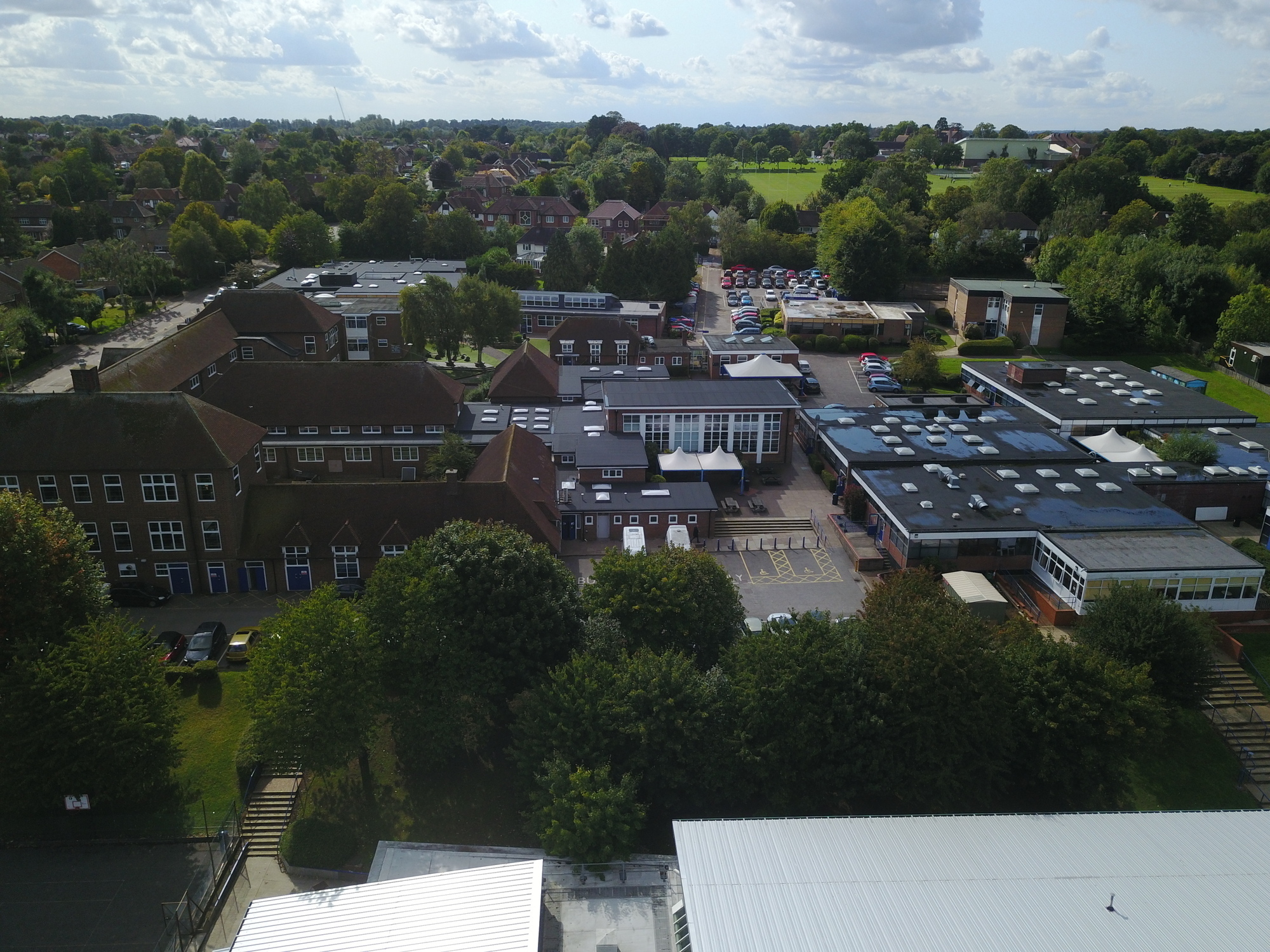
| Address | Manland Way, Harpenden, AL5 4QP |
This course is open to people of any religious faith or none. An enquiring and open mind are essential ingredients when embarking on this course. Good essay writing skills will also be vital to enable you to demonstrate your knowledge and understanding of the issues while sustaining an argument. At Advanced level this subject examines religious, philosophical and ethical issues. Course content Philosophy of Religion - Ancient philosophical influences - The nature of the soul, mind and body and arguments about the existence or non-existence of God - The nature and impact of religious experience - The challenge for religious belief of the problem of evil - Ideas about the nature of God - Issues in religious language Religion and Ethics - Normative ethical theories - The application of ethical theory to Business Ethics and Euthanasia - Ethical language and thought - Debates surrounding the significant idea of conscience - Sexual ethics and the influence on ethical thought of developments in religious beliefs Development in Religious Thought (Christianity) - Religious beliefs, values and teachings, their interconnections and how they vary historically and in the contemporary world - Sources of religious wisdom and authority - Practices which shape and express religious identity, and how these vary within a tradition - Significant social and historical developments in theology and religious thought - Key themes related to the relationship between religion and society
We would expect you to have previously studied RS at GCSE achieving a grade 6 or above (full or short course). If you did not take RS GCSE you must have achieved a grade 6 or above in GCSE English. All students must have an APS of 4.5 or above. The ability to retain an open mind would also be useful.
General lesson activities will include debates, essay writing, examining current moral issues, student seminars and visiting speakers. Students will sit 3 papers of equal weighting. Each paper will be 2 hours in length.