Component 1: Physical Geography · Water and carbon cycles (natural systems, the water cycle, the carbon cycle, water, carbon, climate and life on earth); · Coasts as natural systems (systems and processes, coastal landscape development, coastal management); · Hazards (concept of a hazard, plate tectonics, volcanic hazards, seismic hazards, storm hazards, fires in nature). Component 2: Human Geography · Global systems and global governance (globalisation, global systems, international trade and access to markets, global governance, the “global commons”, Antarctica as a global common, globalisation critique); · Changing places (the nature and importance of places, relationships, connections, meaning and representation, place studies); · Contemporary urban environments (urbanisation, urban forms, social and economic issues associated with urbanisation, urban climate, urban drainage, urban waste and its disposal, other contemporary urban environmental issues, sustainable urban development). Component 3: Geography Fieldwork Investigation · Compulsory 4 days fieldwork involving data collection in the field; · 3-4,000 words
Grade 5 in Maths, Grade 5 in English Language, Grade 6 in Geography (If taken)
· Paper 1 - 2.5 hrs 40% - Component 1 covering water and carbon cycles, coasts and hazards. · Paper 2 - 2.5 hrs 40% - Component 2 covering global systems and governance, changing places and urban . Coursework - 20% - students undertake an independent investigation that involves fieldwork, producing a written report of 3000-4000 words.
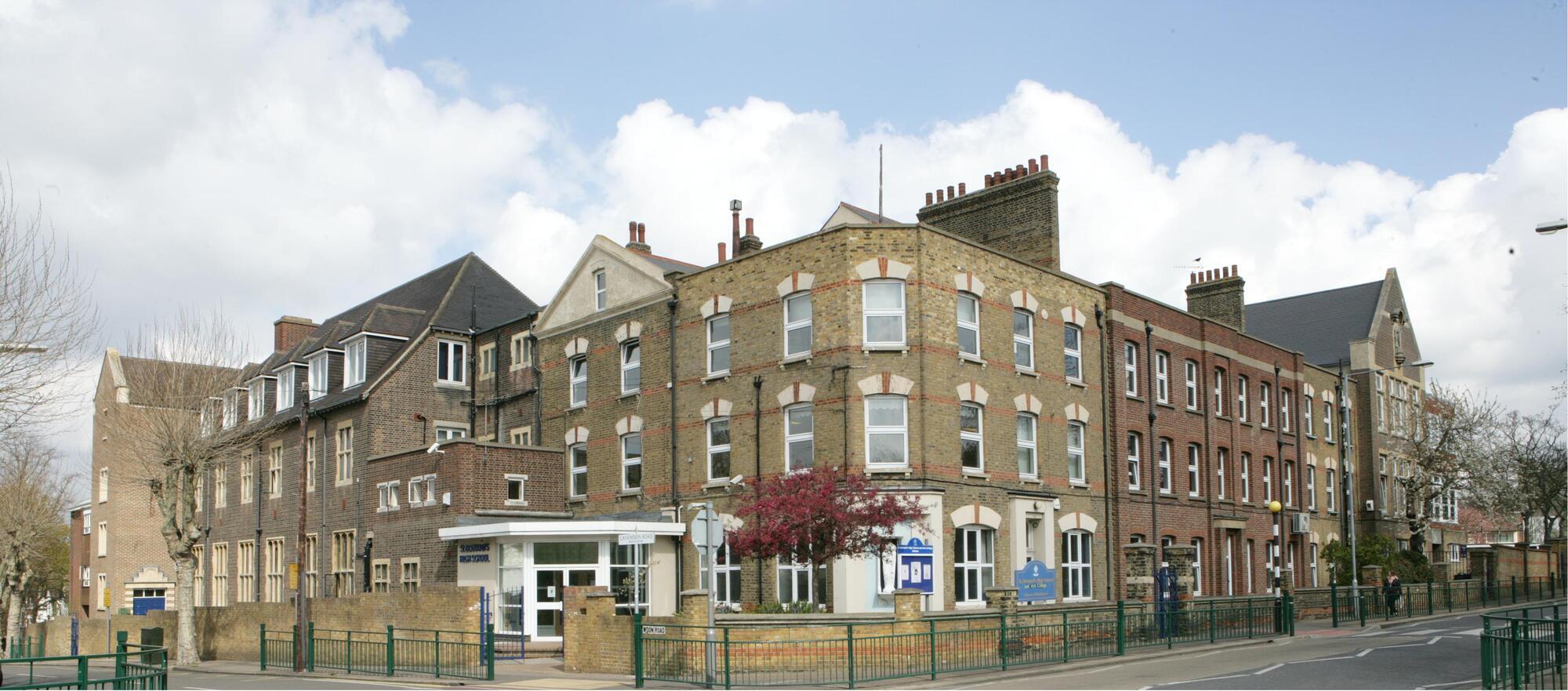
About Education Provider
| Region | East of England |
| Local Authority | Southend-on-Sea |
| Ofsted Rating | Good |
| Gender Type | |
| Address | Milton Road, Westcliff-on-Sea, SS0 7JS |
Component 1: Physical Geography · Water and carbon cycles (natural systems, the water cycle, the carbon cycle, water, carbon, climate and life on earth); · Coasts as natural systems (systems and processes, coastal landscape development, coastal management); · Hazards (concept of a hazard, plate tectonics, volcanic hazards, seismic hazards, storm hazards, fires in nature). Component 2: Human Geography · Global systems and global governance (globalisation, global systems, international trade and access to markets, global governance, the “global commons”, Antarctica as a global common, globalisation critique); · Changing places (the nature and importance of places, relationships, connections, meaning and representation, place studies); · Contemporary urban environments (urbanisation, urban forms, social and economic issues associated with urbanisation, urban climate, urban drainage, urban waste and its disposal, other contemporary urban environmental issues, sustainable urban development). Component 3: Geography Fieldwork Investigation · Compulsory 4 days fieldwork involving data collection in the field; · 3-4,000 words
Grade 5 in Maths, Grade 5 in English Language, Grade 6 in Geography (If taken)
· Paper 1 - 2.5 hrs 40% - Component 1 covering water and carbon cycles, coasts and hazards. · Paper 2 - 2.5 hrs 40% - Component 2 covering global systems and governance, changing places and urban . Coursework - 20% - students undertake an independent investigation that involves fieldwork, producing a written report of 3000-4000 words.