
Religious Studies
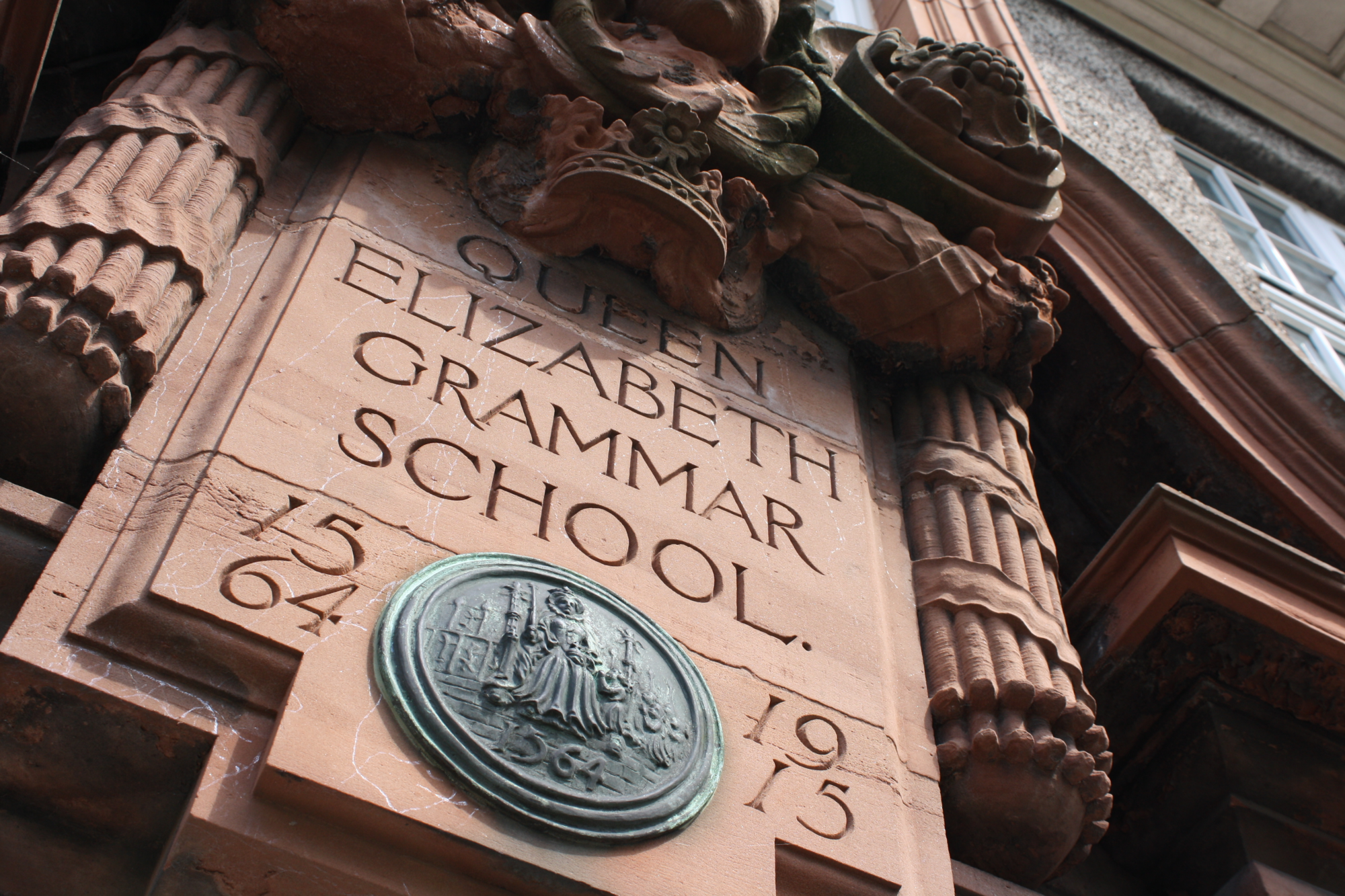
Queen Elizabeth Grammar School Penrith

Course summary
Why study Religious Studies? In this subject we look at fundamental questions such as: Is there God? Do we have free will? Is there life after death? How do I make moral decisions? Can we prove that there is good and evil in human beings? To help us find answers to these questions we consider what great philosophers of the past have said, examining their arguments and discussing and debating their different views. We learn how to think clearly, argue logically and critically evaluate thoroughly. Over the 2-year course students will study all 3 elements: Philosophy, Ethics and Christianity. By the end of year 13 students will have a detailed knowledge and understanding of the key theories, they will be able to formulate opinions and offer critical explanations. Further from this they will have developed their ability to disagree agreeably, through active debate and discussions. Finally, they will be able to produce detailed essays which include critical analysis and personal opinions. Features of the course: Philosophy of religion - In this unit we examine the philosophical issues relating to metaphysics, the study of the nature of reality. Topics include: issues surrounding God’s existence, the nature and origin of evil, whether or not our perception gives us an accurate account of how the world really is. We study the thought of great philosophers such as Plato, Aristotle, Kant and Hume. Finally, we consider the relationship between the mind and body. Do we have a nonphysical soul or are we simply very complicated robots that can be explained by physical causes alone? Religion and Ethics – In this unit we examine the difference between right and wrong. We think that it is wrong to kill but how do we know that? We might think that sometimes it is right to lie but what principles can we hold that tell us when we should do so? Is morality something that humans have invented or is it objectively true in the same way that science might thought to be? As part of this unit we study ethical theories that try to provide objective reasons for acting morally. Developments in Religious thought – In the third section of the course we examine the development of philosophical thinking in the Christian tradition. Topics include an in-depth study of St Augustine’s theory of the Fall and the philosophy behind the ideas of heaven, hell and purgatory. Conclusion – Religious Studies is a subject of great value. It teaches students to think clearly and rationally. On completing the course each student should have a better idea of what we know to be true. There are ethical issues underlying everything from genetics to justice. Each person has a philosophy of life, whether they like it or not. In this subject you get a chance to explore what yours might be.
About School

0%