The Edexcel A Level Chemistry course provides a broad and balanced study of inorganic, organic and physical chemistry. In Paper 1: Advanced Inorganic and Physical Chemistry, you will explore atomic structure, bonding and structure, the Periodic Table, redox reactions, energetics, equilibria, acid- base reactions, and transition metals. Paper 2: Advanced Organic and Physical Chemistry builds on the ideas in Paper 1, focusing on kinetics, organic chemistry, synthesis, and modern analytical techniques in addition to more study on bonding and redox giving you insight into the reactions, structures and analysis of organic molecules that are central to medicine, pharmaceuticals and materials science. In Paper 3: General and Practical Principles in Chemistry, you will apply knowledge across the whole specification through synoptic questions and analysis of experimental methods. This paper emphasises both theoretical understanding and the practical skills gained from core experiments, ensuring you are able to design, analyse and evaluate scientific investigations. Across all three papers, at least 20% of marks test mathematical skills. You will also complete a minimum of twelve core practicals, these activities provide opportunities for students to develop their analytical skills, and allows them to see the theory in action.
Grade 7 or above in GCSE Chemistry and GCSE Mathematics. You will find it useful (but not necessary) to study Physics and/or Maths A Level alongside.
About Education Provider
| Region | South East |
| Local Authority | Kent |
| Ofsted Rating | Good |
| Gender Type | Boys |
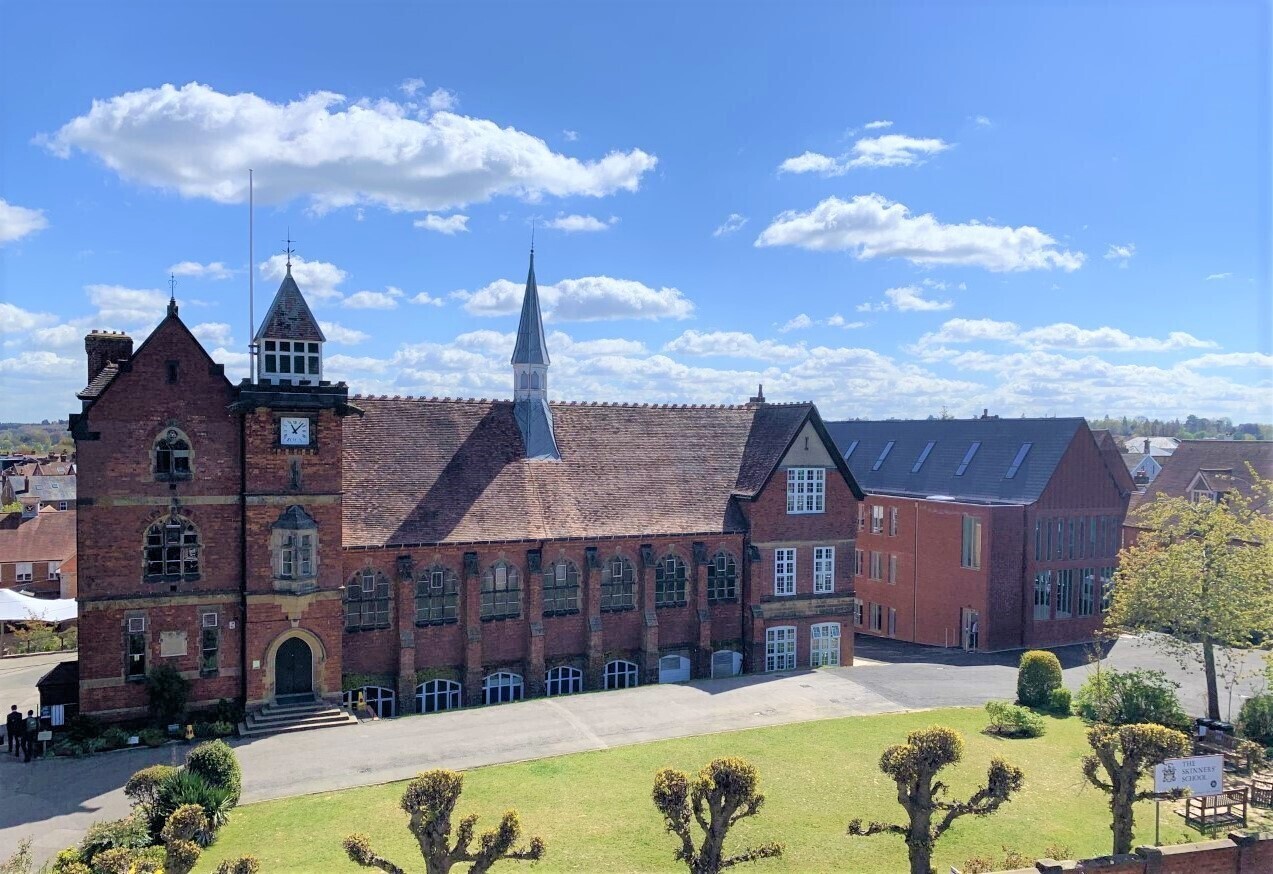
| Address | St John's Road, Tunbridge Wells, TN4 9PG |
The Edexcel A Level Chemistry course provides a broad and balanced study of inorganic, organic and physical chemistry. In Paper 1: Advanced Inorganic and Physical Chemistry, you will explore atomic structure, bonding and structure, the Periodic Table, redox reactions, energetics, equilibria, acid- base reactions, and transition metals. Paper 2: Advanced Organic and Physical Chemistry builds on the ideas in Paper 1, focusing on kinetics, organic chemistry, synthesis, and modern analytical techniques in addition to more study on bonding and redox giving you insight into the reactions, structures and analysis of organic molecules that are central to medicine, pharmaceuticals and materials science. In Paper 3: General and Practical Principles in Chemistry, you will apply knowledge across the whole specification through synoptic questions and analysis of experimental methods. This paper emphasises both theoretical understanding and the practical skills gained from core experiments, ensuring you are able to design, analyse and evaluate scientific investigations. Across all three papers, at least 20% of marks test mathematical skills. You will also complete a minimum of twelve core practicals, these activities provide opportunities for students to develop their analytical skills, and allows them to see the theory in action.
Grade 7 or above in GCSE Chemistry and GCSE Mathematics. You will find it useful (but not necessary) to study Physics and/or Maths A Level alongside.