
Classical Civilisation
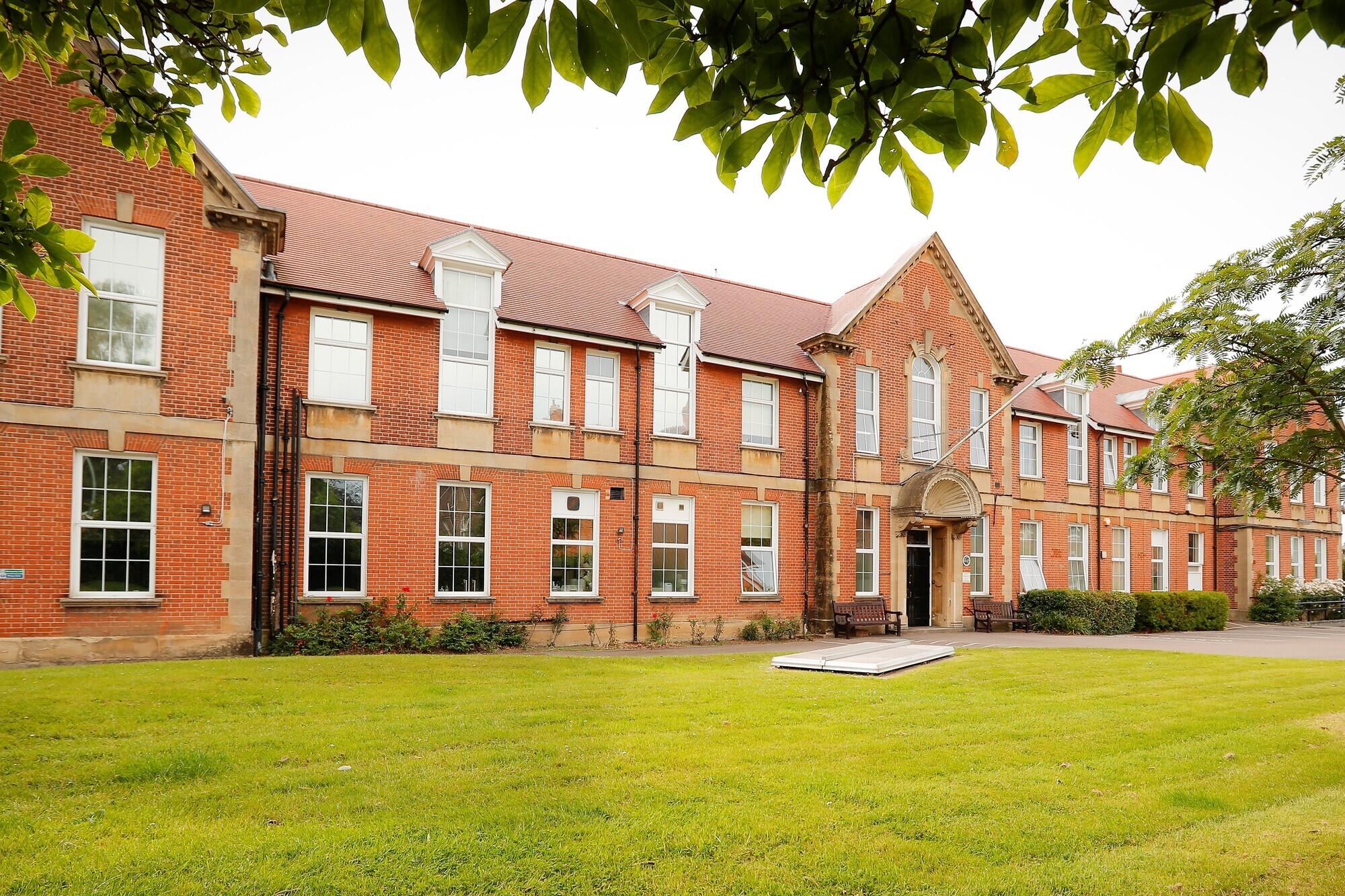
Tunbridge Wells Girls' Grammar School

Course summary
This course offers a broad and fascinating exploration of the Ancient Greek and Roman worlds, as well as an examination of the influence of these societies today. This course is designed to develop your critical thinking, analytical and essay-writing skills by engaging with a diverse range of sources, from plays and poems to historical accounts and archaeological evidence. It provides a strong foundation for a wide variety of university degrees and careers. Paper 1 – The World of the Hero This component will explore both Greek and Roman epics, with the study of Homer’s Odyssey and Virgil’s Aeneid. The works of Homer are the foundation of the Western literary canon, and the Greeks themselves considered them the cornerstone of Greek culture. In his Aeneid, Virgil pays homage to Homer, but also to Rome and its leader, Augustus. With their unique composition, and exciting tales of gods and heroes, these works of literature form an excellent grounding for exploration of the classical world. Paper 2 – Culture and the Arts Learners must study one component in this component group. Components in this group involve the study of visual and material culture. This is combined with the study of literature in translation. Unit 2.2 Imperial Image: The idea of a politician ‘spinning’ their public image is one which is very familiar from our contemporary media; and so this exploration of Roman politician Augustus Caesar and his successful propaganda campaign is both highly relevant and engaging for learners. Paper 3 – Beliefs and Ideas Learners must study one component in this component group. Components in this group involve an area of classical thought, in combination with either the study of literature in translation or visual/material culture. Unit 3.2 Love and Relationships: Ideas about love and relationships are key aspects of the literature, thoughts, and ethics of any society. This component offers the opportunity for learners to recognise and relate to the passions, frustrations and delights of love in the ancient world. The ethical questions raised by these ideas continue to be wrestled over by successive generations and this unit will generate interesting and important discussions about love, desire, sex, sexuality and the institution of marriage.
About School

0%