Throughout this course there is a strong emphasis on innovation and creativity via an iterative design approach. You are encouraged to experiment both visually and practically. Engineering Design is focused towards electronics and engineered products and systems in respect of materials and components and their selection and uses in products/systems, as well as wider issues affecting design decisions. Materials, components and systems are studied from the perspective of analysing modern engineered products. You will gain practical experience of using materials, components and systems through applied practical activities set within realistic design scenarios. The skills gained from studying Engineering Design include (among others), System Design, visual communication skills developed via sketching and CAD (computer aided design) as well as colour development via marker pen rendering; ICT and CAD/CAM are also developed to a high standard with the use of 2D Design and Fusion360 CAD packages; 3D modelling is also a key element and you will have the opportunity to develop modelling skills via Styrofoam sculpting, Laser cutting and 3D printing.
Our general entry requirements are that you need 5 Grade 6s in your GCSEs to study A Levels. You will need at least one Grade 6 in the following: Design & Technology at Grade 6. Engineering at Grade 6. Maths at Grade 6. Physics at Grade 6.
Iterative Design Project (Non exam assessment) - Learners investigate an area of design or problem that interests them, creating a portfolio of evidence in real time to demonstrate their competence. The project can be related to particular sectors such as furniture design or architecture and can be developed via a range of mediums. Principles of Design exam 26.7% (90mins) Learners will be required to analyse existing products; demonstrate applied mathematical skills; demonstrate knowledge of materials, product functionality, manufacturing processes and techniques; demonstrate understanding of wider social, moral and environmental issues that impact on the design and manufacturing industries. Problem solving exam 23.3% (105mins) exam challenges student to develop solutions to a number of problems with a focus on critical thinking as well as material understanding. 15% of the assessment is maths based and candidates require a secure knowledge of higher tier GCSE Maths.
About Education Provider
| Region | East Midlands |
| Local Authority | Nottingham |
| Ofsted Rating | Good |
| Gender Type | Mixed |
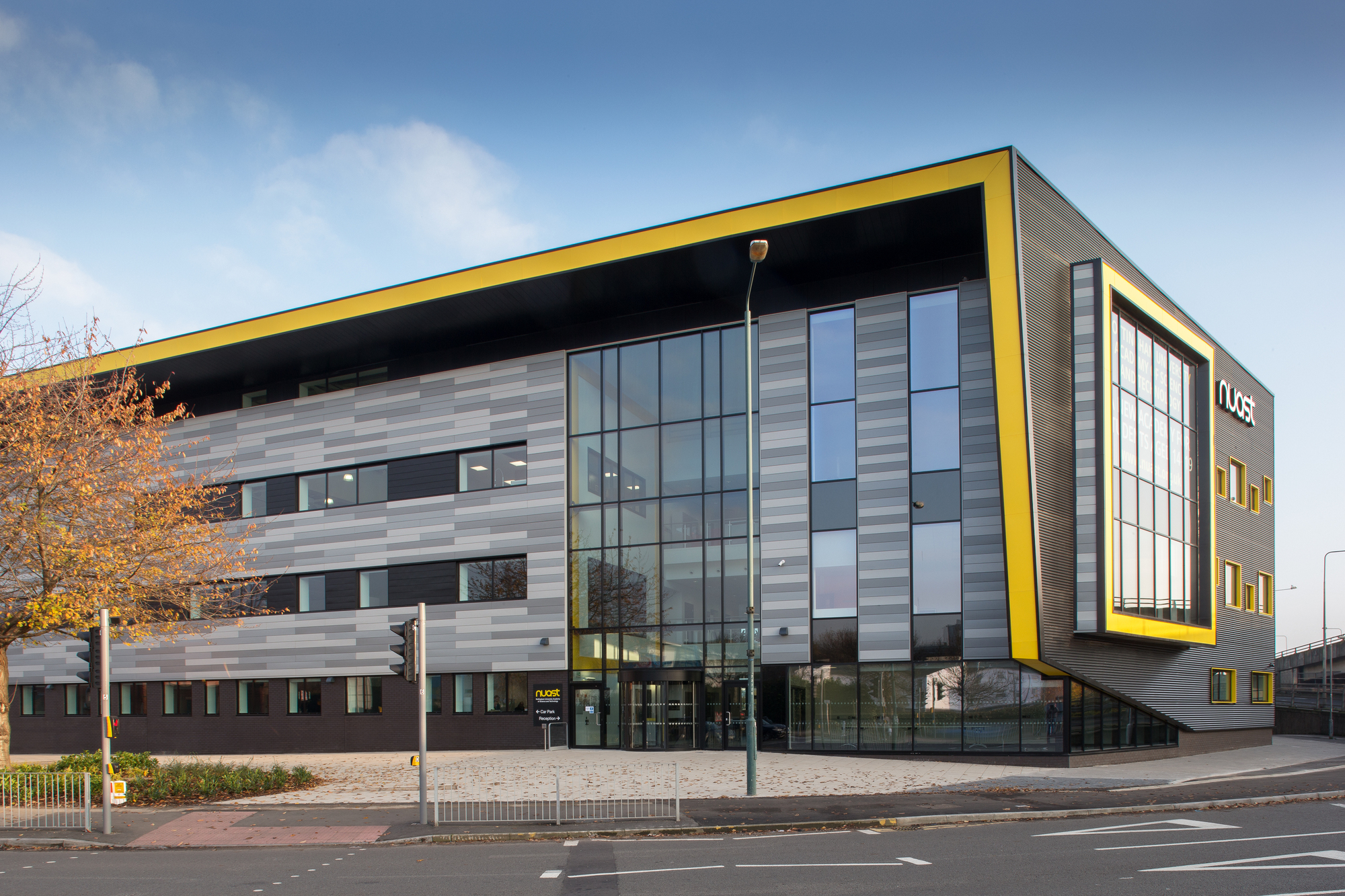
| Address | 93 Abbey Street, Nottingham, NG7 2PL |
Throughout this course there is a strong emphasis on innovation and creativity via an iterative design approach. You are encouraged to experiment both visually and practically. Engineering Design is focused towards electronics and engineered products and systems in respect of materials and components and their selection and uses in products/systems, as well as wider issues affecting design decisions. Materials, components and systems are studied from the perspective of analysing modern engineered products. You will gain practical experience of using materials, components and systems through applied practical activities set within realistic design scenarios. The skills gained from studying Engineering Design include (among others), System Design, visual communication skills developed via sketching and CAD (computer aided design) as well as colour development via marker pen rendering; ICT and CAD/CAM are also developed to a high standard with the use of 2D Design and Fusion360 CAD packages; 3D modelling is also a key element and you will have the opportunity to develop modelling skills via Styrofoam sculpting, Laser cutting and 3D printing.
Our general entry requirements are that you need 5 Grade 6s in your GCSEs to study A Levels. You will need at least one Grade 6 in the following: Design & Technology at Grade 6. Engineering at Grade 6. Maths at Grade 6. Physics at Grade 6.
Iterative Design Project (Non exam assessment) - Learners investigate an area of design or problem that interests them, creating a portfolio of evidence in real time to demonstrate their competence. The project can be related to particular sectors such as furniture design or architecture and can be developed via a range of mediums. Principles of Design exam 26.7% (90mins) Learners will be required to analyse existing products; demonstrate applied mathematical skills; demonstrate knowledge of materials, product functionality, manufacturing processes and techniques; demonstrate understanding of wider social, moral and environmental issues that impact on the design and manufacturing industries. Problem solving exam 23.3% (105mins) exam challenges student to develop solutions to a number of problems with a focus on critical thinking as well as material understanding. 15% of the assessment is maths based and candidates require a secure knowledge of higher tier GCSE Maths.