Core Pure Mathematics enables extended study beyond the content of Maths A level, incorporating a broader study in some areas such as vectors, new applications of other techniques such as using calculus to study Volumes of Revolution and introducing brand new branches of mathematics such as matrices, complex numbers, polar coordinates and hyperbolic functions. The optional units offered to our students are: Further Statistics: studying new statistical distributions alongside theoretical principles of probability distributions. This option is excellent preparation for university study in Statistics, Computer Science, Psychology and human sciences Further Mechanics: including momentum, energy, collisions, dynamics and kinematics. This option prepares students well who are going on to study Physics at University. Decision mathematics: algorithms, graph theory and Critical path analysis. This is an ideal option for students with an interest in computer science. Further Pure Maths: conic sections and significant development of the Core Pure themes. This option is commonly selected by students going on to study mathematics at university. Students are consulted around November of year 12 before three options are selected for the group. Early in year 13 Further Maths students sit a mock exam and use this and their chosen degree level plans to inform their personal selection of two of these optional units.
Our general entry requirements are that you need 5 Grade 6s in your GCSEs to study A Levels. An additional entry requirement for A level Further mathematics is a GCSE mathematics grade of 8 or above. GCSE Statistics and/or GCSE Further Mathematics are not a requirement of the course, but both offer an advantage in terms of students having already met more aspects of the course prior to their A level studies.
A level further mathematics is a linear qualification, assessed through four equally weighted external papers, sat at the end of the two-year course. Two of these exams assess Core Pure Mathematics, with both papers incorporating the full two-year content. The third and fourth paper are the two optional modules that the student has selected to study.
About Education Provider
| Region | East Midlands |
| Local Authority | Nottingham |
| Ofsted Rating | Good |
| Gender Type | Mixed |
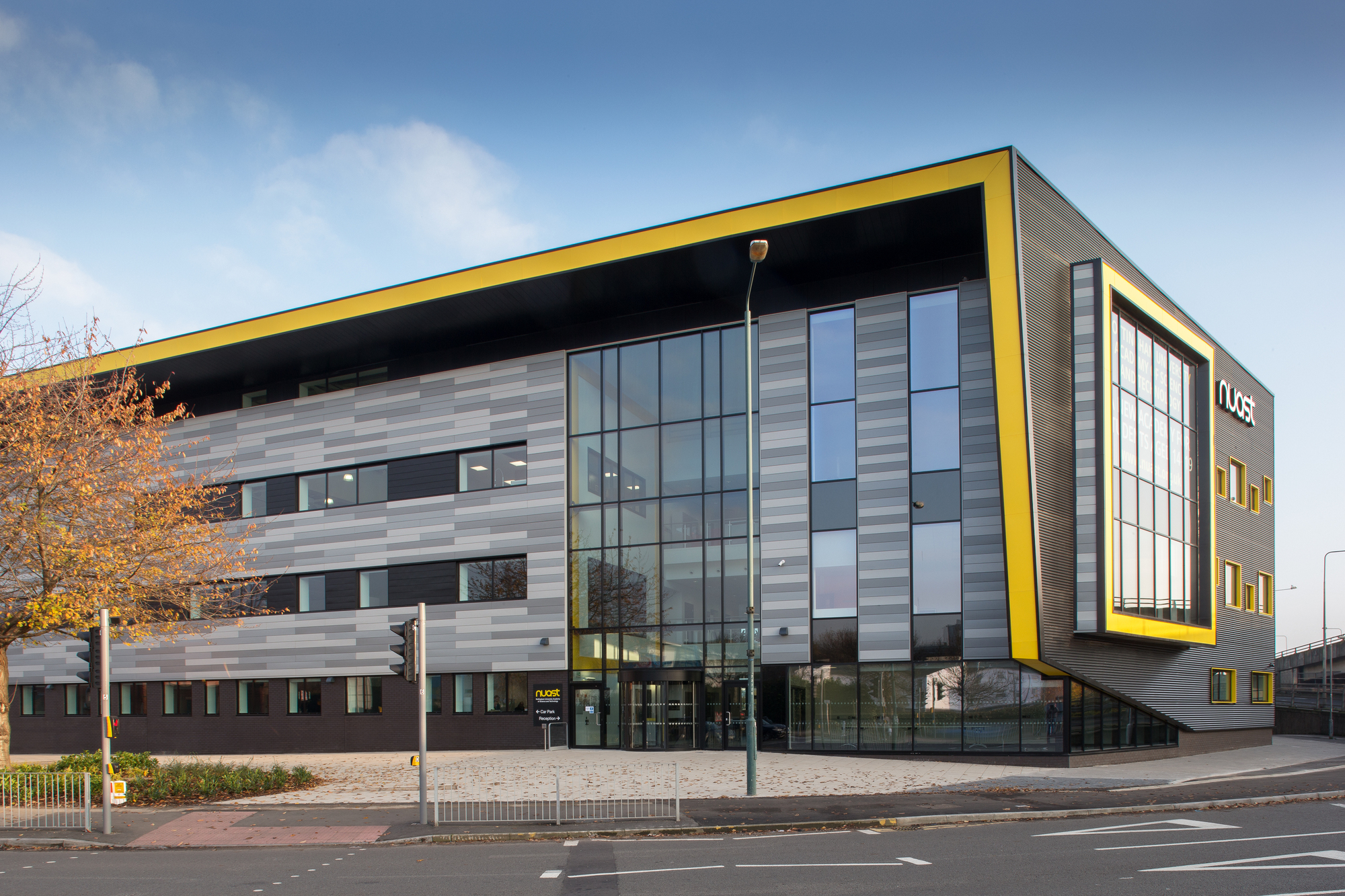
| Address | 93 Abbey Street, Nottingham, NG7 2PL |
Core Pure Mathematics enables extended study beyond the content of Maths A level, incorporating a broader study in some areas such as vectors, new applications of other techniques such as using calculus to study Volumes of Revolution and introducing brand new branches of mathematics such as matrices, complex numbers, polar coordinates and hyperbolic functions. The optional units offered to our students are: Further Statistics: studying new statistical distributions alongside theoretical principles of probability distributions. This option is excellent preparation for university study in Statistics, Computer Science, Psychology and human sciences Further Mechanics: including momentum, energy, collisions, dynamics and kinematics. This option prepares students well who are going on to study Physics at University. Decision mathematics: algorithms, graph theory and Critical path analysis. This is an ideal option for students with an interest in computer science. Further Pure Maths: conic sections and significant development of the Core Pure themes. This option is commonly selected by students going on to study mathematics at university. Students are consulted around November of year 12 before three options are selected for the group. Early in year 13 Further Maths students sit a mock exam and use this and their chosen degree level plans to inform their personal selection of two of these optional units.
Our general entry requirements are that you need 5 Grade 6s in your GCSEs to study A Levels. An additional entry requirement for A level Further mathematics is a GCSE mathematics grade of 8 or above. GCSE Statistics and/or GCSE Further Mathematics are not a requirement of the course, but both offer an advantage in terms of students having already met more aspects of the course prior to their A level studies.
A level further mathematics is a linear qualification, assessed through four equally weighted external papers, sat at the end of the two-year course. Two of these exams assess Core Pure Mathematics, with both papers incorporating the full two-year content. The third and fourth paper are the two optional modules that the student has selected to study.