As one of the three natural sciences in the IB Diploma Programme, physics is concerned with an attempt to understand the natural world; from determining the nature of the atom to finding patterns in the structure of the universe. It is the search for answers from how the universe exploded into life to the nature of time itself. Observations are essential to the very core of the subject. Models are developed to try to understand observations, and these themselves can become theories that attempt to explain the observations. Besides leading to a better understanding of the natural world, physics gives us the ability to alter our environments. DP physics enables students to constructively engage with topical scientific issues. Students examine scientific knowledge claims in a real-world context, fostering interest and curiosity. By exploring the subject, they develop understandings, skills and techniques which can be applied across their studies and beyond. Integral to the student experience of the DP physics course is the learning that takes place through scientific inquiry both in the classroom and the laboratory. Through the overarching theme of the nature of science, the course aims to enable students to: 1. develop conceptual understanding that allows connections to be made between different areas of the subject, and to other DP sciences subjects 2. acquire and apply a body of knowledge, methods, tools and techniques that characterize science 3. develop the ability to analyse, evaluate and synthesize scientific information and claims 4. develop the ability to approach unfamiliar situations with creativity and resilience 5. design and model solutions to local and global problems in a scientific context 6. develop an appreciation of the possibilities and limitations of science 7. develop technology skills in a scientific context 8. develop the ability to communicate and collaborate effectively 9. develop awareness of the ethical, environmental, economic, cultural and social impact of science.
Grade 8-8 in Combined Science
External 80% Paper 1A: Multiple-choice questions Paper 1B: Data-based questions Paper 2 Short-answer and extended-response questions Internal 20% The scientific investigation is an open-ended task in which the student gathers and analyses data in order to answer their own formulated research question. The outcome of the scientific investigation will be assessed through the form of a written report. The maximum overall word count for the report is 3,000 words.
About Education Provider
| Region | South East |
| Local Authority | Medway |
| Ofsted Rating | Good |
| Gender Type | Co-Educational |
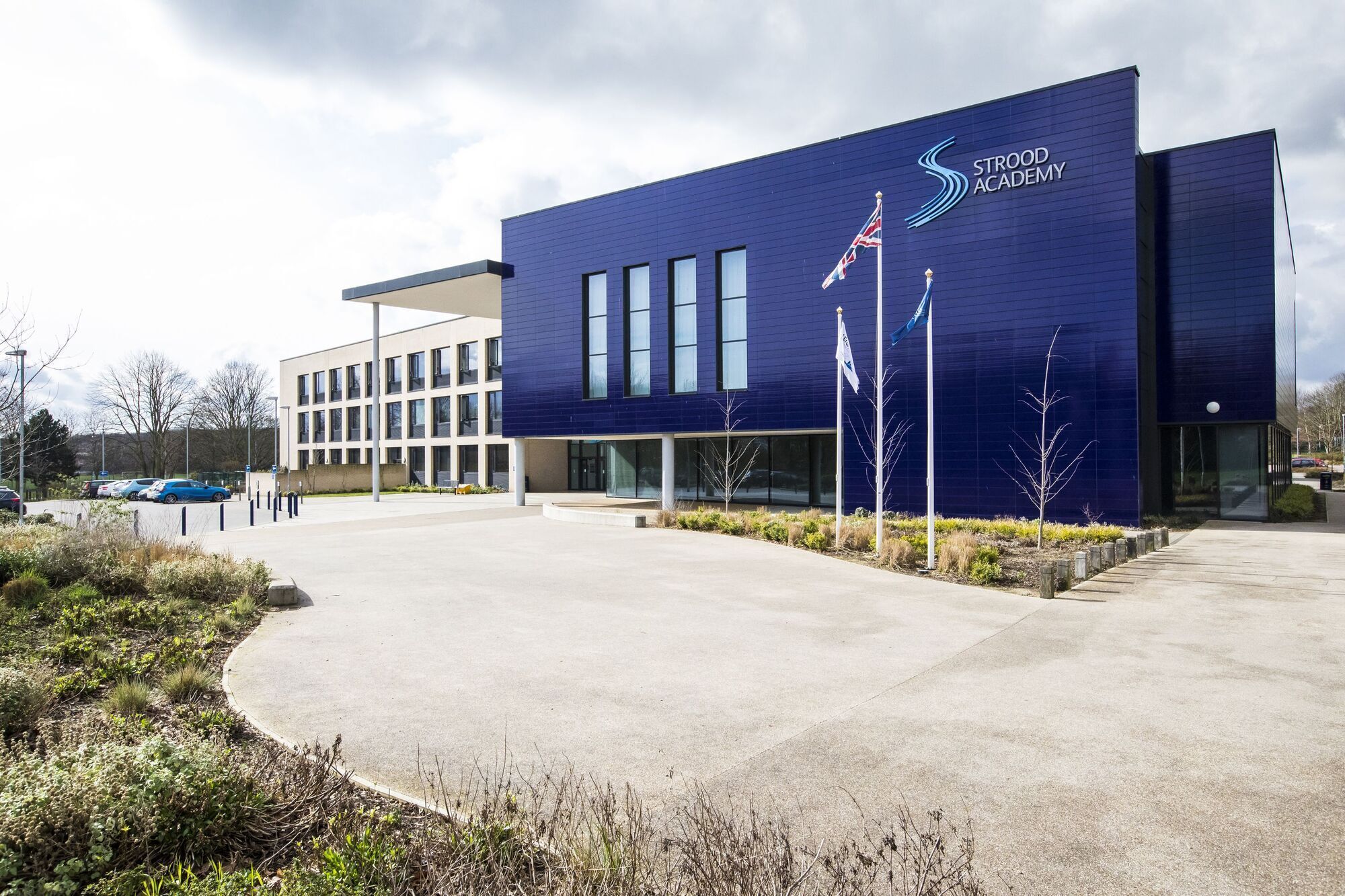
| Address | Carnation Road, Strood, Rochester, ME2 2SX |
As one of the three natural sciences in the IB Diploma Programme, physics is concerned with an attempt to understand the natural world; from determining the nature of the atom to finding patterns in the structure of the universe. It is the search for answers from how the universe exploded into life to the nature of time itself. Observations are essential to the very core of the subject. Models are developed to try to understand observations, and these themselves can become theories that attempt to explain the observations. Besides leading to a better understanding of the natural world, physics gives us the ability to alter our environments. DP physics enables students to constructively engage with topical scientific issues. Students examine scientific knowledge claims in a real-world context, fostering interest and curiosity. By exploring the subject, they develop understandings, skills and techniques which can be applied across their studies and beyond. Integral to the student experience of the DP physics course is the learning that takes place through scientific inquiry both in the classroom and the laboratory. Through the overarching theme of the nature of science, the course aims to enable students to: 1. develop conceptual understanding that allows connections to be made between different areas of the subject, and to other DP sciences subjects 2. acquire and apply a body of knowledge, methods, tools and techniques that characterize science 3. develop the ability to analyse, evaluate and synthesize scientific information and claims 4. develop the ability to approach unfamiliar situations with creativity and resilience 5. design and model solutions to local and global problems in a scientific context 6. develop an appreciation of the possibilities and limitations of science 7. develop technology skills in a scientific context 8. develop the ability to communicate and collaborate effectively 9. develop awareness of the ethical, environmental, economic, cultural and social impact of science.
Grade 8-8 in Combined Science
External 80% Paper 1A: Multiple-choice questions Paper 1B: Data-based questions Paper 2 Short-answer and extended-response questions Internal 20% The scientific investigation is an open-ended task in which the student gathers and analyses data in order to answer their own formulated research question. The outcome of the scientific investigation will be assessed through the form of a written report. The maximum overall word count for the report is 3,000 words.