Language acquisition consists of two modern language courses—language ab initio and language B—designed to provide students with the necessary skills and intercultural understanding to enable them to communicate successfully in an environment where the language studied is spoken. Language B is a language acquisition course designed for students with some previous experience of the target language. Students further develop their ability to communicate through the study of language, themes and texts. There are five prescribed themes: identities, experiences, human ingenuity, social organization and sharing the planet. At HL the study of two literary works originally written in the target language is required and students are expected to extend the range and complexity of the language they use and understand in order to communicate. Students continue to develop their knowledge of vocabulary and grammar, as well as their conceptual understanding of how language works, in order to construct, analyse and evaluate arguments on a variety of topics relating to course content and the target language culture(s). The following language acquisition aims are common to both language ab initio and language B. • Develop international-mindedness through the study of languages, cultures, and ideas and issues of global significance. • Enable students to communicate in the language they have studied in a range of contexts and for a variety of purposes. • Encourage, through the study of texts and through social interaction, an awareness and appreciation of a variety of perspectives of people from diverse cultures. • Develop students’ understanding of the relationship between the languages and cultures with which they are familiar. • Develop students’ awareness of the importance of language in relation to other areas of knowledge. • Provide students, through language learning and the process of inquiry, with opportunities for intellectual engagement and the development of critical- and creative-thinking skills.
Paper 1 (productive skills) - 25% One writing task from a choice of three Writing Paper 2 (receptive skills) - 50% Separate sections for listening and reading Internal - 25% Individual oral assessment
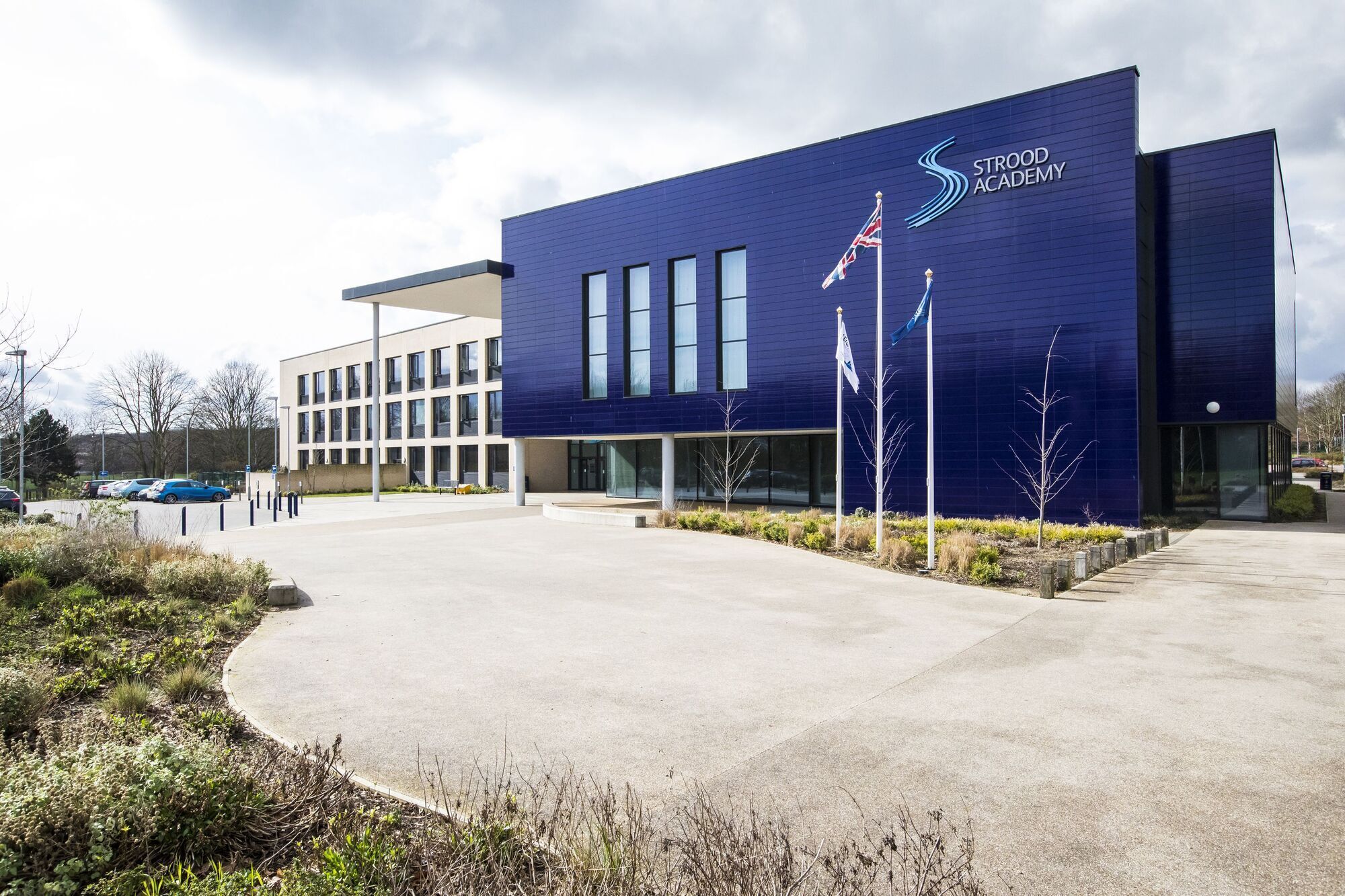
About Education Provider
| Region | South East |
| Local Authority | Medway |
| Ofsted Rating | Good |
| Gender Type | Co-Educational |
| Address | Carnation Road, Strood, Rochester, ME2 2SX |
Language acquisition consists of two modern language courses—language ab initio and language B—designed to provide students with the necessary skills and intercultural understanding to enable them to communicate successfully in an environment where the language studied is spoken. Language B is a language acquisition course designed for students with some previous experience of the target language. Students further develop their ability to communicate through the study of language, themes and texts. There are five prescribed themes: identities, experiences, human ingenuity, social organization and sharing the planet. At HL the study of two literary works originally written in the target language is required and students are expected to extend the range and complexity of the language they use and understand in order to communicate. Students continue to develop their knowledge of vocabulary and grammar, as well as their conceptual understanding of how language works, in order to construct, analyse and evaluate arguments on a variety of topics relating to course content and the target language culture(s). The following language acquisition aims are common to both language ab initio and language B. • Develop international-mindedness through the study of languages, cultures, and ideas and issues of global significance. • Enable students to communicate in the language they have studied in a range of contexts and for a variety of purposes. • Encourage, through the study of texts and through social interaction, an awareness and appreciation of a variety of perspectives of people from diverse cultures. • Develop students’ understanding of the relationship between the languages and cultures with which they are familiar. • Develop students’ awareness of the importance of language in relation to other areas of knowledge. • Provide students, through language learning and the process of inquiry, with opportunities for intellectual engagement and the development of critical- and creative-thinking skills.
Paper 1 (productive skills) - 25% One writing task from a choice of three Writing Paper 2 (receptive skills) - 50% Separate sections for listening and reading Internal - 25% Individual oral assessment