Students should choose this subject if they are keen to discover what is true and put that truth into practice. This subject challenges the way students think about life, death, human behaviour and how we know what we think we know to be true. The topics studied in A level Philosophy and Ethics include the philosophical arguments for and against the existence of God. Students will consider whether God can be experienced and, if so, what the purpose of the experience is. For the Ethics component, students will study the theories of major ethical thinkers and apply them to practical topics, such as the nature and value of human life, abortion and euthanasia. Students will consider the similarities and differences between humans and animals. In the second component of the course students will consider religious contemporary issues, such as religious pluralism, gender and sexuality and the relationship between religion and science. Studying Philosophy and Ethics will fine tune students’ reasoning skills, critical analysis and ability to understand and explain complex concepts. Career Pathways – Law – Medicine – Civil Service – Journalism – Advertising – Teaching and Education
Grade 5 in GCSE English. Grade 5 in GCSE RE (if studied)
Modules Component 1: Philosophy of religion and ethics. – Section A: Philosophy of religion – Section B: Ethics and religion Component 2: Study of religion and dialogues. – Section A: Philosophy of religion – Section B: Ethics and religion – Section C: The dialogue between ethical studies and religion Assessment Component 1 – Exam: Philosophy of religion and ethics – 3hrs (50%) Component 2 – Exam: Study of religion and dialogues – 3hrs (50%)
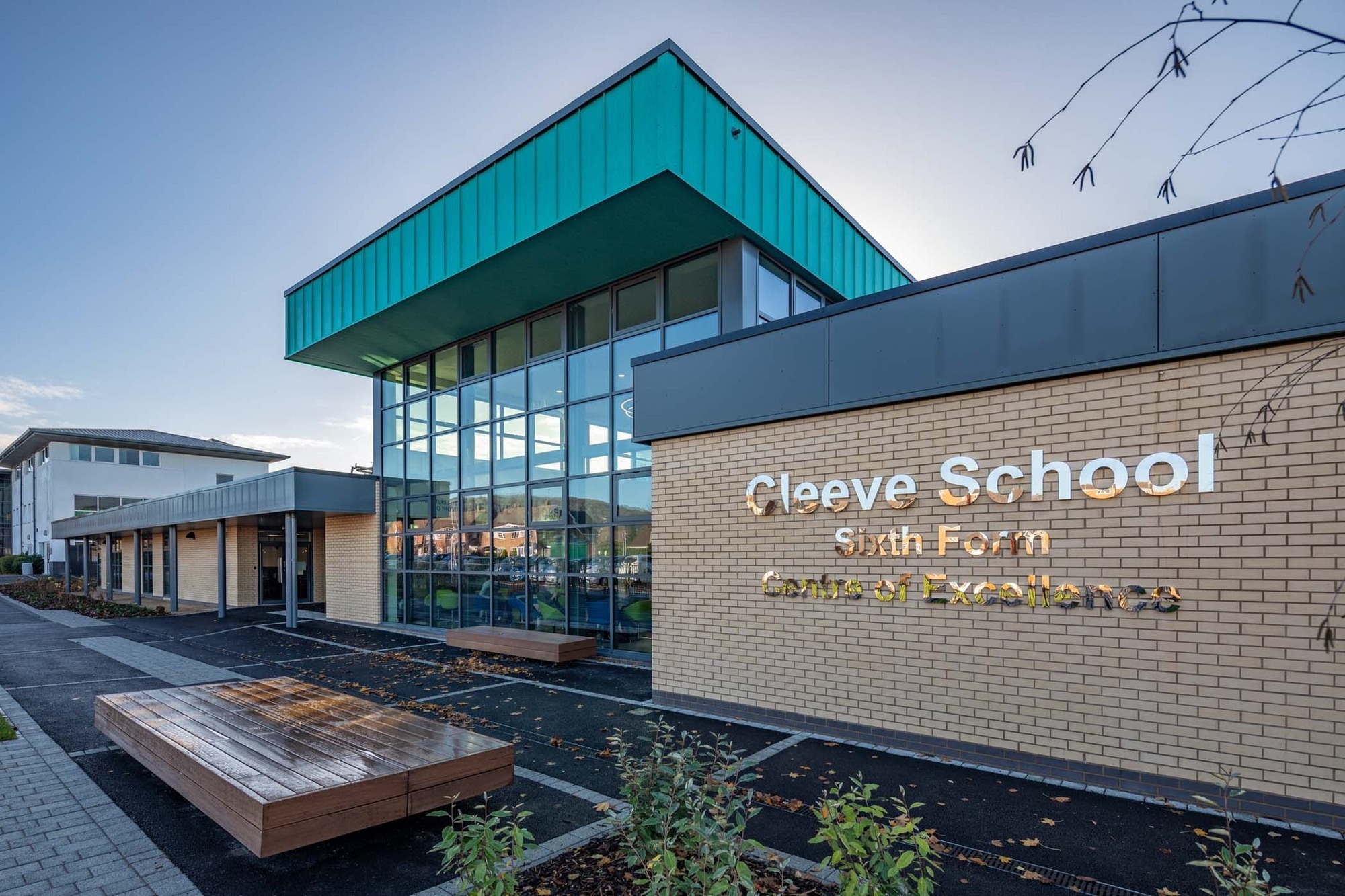
About Education Provider
| Region | South West |
| Local Authority | Gloucestershire |
| Ofsted Rating | Good |
| Gender Type | Co-Educational |
| Address | Two Hedges Road, Bishops Cleeve, Cheltenham, GL52 8AE |
Students should choose this subject if they are keen to discover what is true and put that truth into practice. This subject challenges the way students think about life, death, human behaviour and how we know what we think we know to be true. The topics studied in A level Philosophy and Ethics include the philosophical arguments for and against the existence of God. Students will consider whether God can be experienced and, if so, what the purpose of the experience is. For the Ethics component, students will study the theories of major ethical thinkers and apply them to practical topics, such as the nature and value of human life, abortion and euthanasia. Students will consider the similarities and differences between humans and animals. In the second component of the course students will consider religious contemporary issues, such as religious pluralism, gender and sexuality and the relationship between religion and science. Studying Philosophy and Ethics will fine tune students’ reasoning skills, critical analysis and ability to understand and explain complex concepts. Career Pathways – Law – Medicine – Civil Service – Journalism – Advertising – Teaching and Education
Grade 5 in GCSE English. Grade 5 in GCSE RE (if studied)
Modules Component 1: Philosophy of religion and ethics. – Section A: Philosophy of religion – Section B: Ethics and religion Component 2: Study of religion and dialogues. – Section A: Philosophy of religion – Section B: Ethics and religion – Section C: The dialogue between ethical studies and religion Assessment Component 1 – Exam: Philosophy of religion and ethics – 3hrs (50%) Component 2 – Exam: Study of religion and dialogues – 3hrs (50%)