This WJEC GCE AS and A level Media Studies specification is designed to provide a coherent, integrated and in-depth approach to studying the media, enabling learners to develop and apply their understanding of the media through both analysing and producing media products in relation to a detailed and comprehensive underpinning conceptual framework and a wide range of critical perspectives. Learners are encouraged to make connections: between different media forms and products, between media products and their contexts, and between concepts and practical work. Learners will therefore develop the ability to reflect critically on both existing media products and their own practical work. Through this study, learners gain a developed understanding of the key conceptual approaches, critical perspectives, issues and debates within the subject, enabling them to question and critically explore aspects of the media that may seem familiar and straightforward from their existing experience. Building on this, learners will also extend their engagement with the media to the less familiar, including products from different historical periods and global settings, and those produced outside the commercial mainstream and aimed at non-mainstream audiences, providing rich and stimulating opportunities for interpretation and analysis. The study of relevant social, cultural, historical and industry contexts further enhances and deepens learners' understanding of the media, as they explore key influences on the products studied.
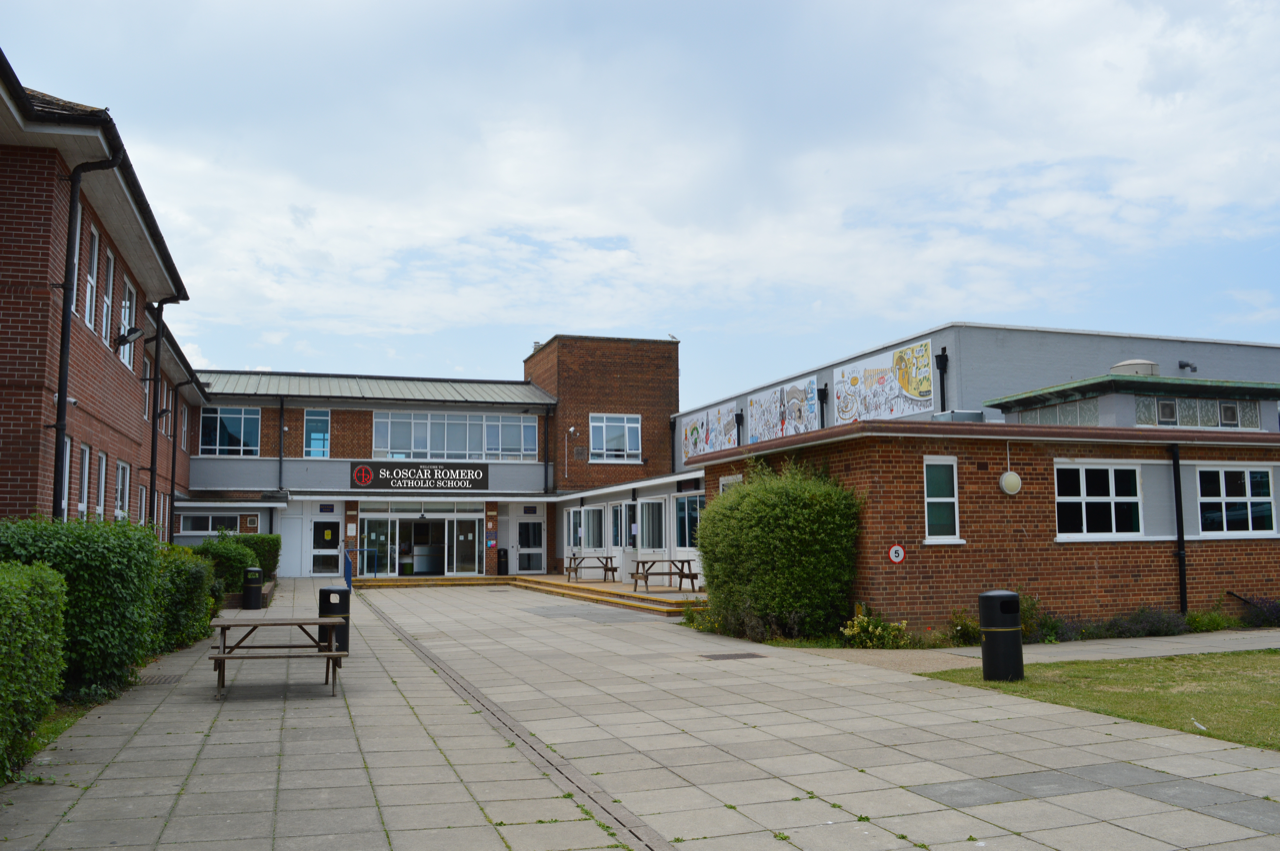
About Education Provider
| Region | South East |
| Local Authority | West Sussex |
| Ofsted Rating | Good |
| Gender Type | Co-Educational |
| Address | Goring Street, Goring-By-Sea, Worthing, BN12 5AF |
This WJEC GCE AS and A level Media Studies specification is designed to provide a coherent, integrated and in-depth approach to studying the media, enabling learners to develop and apply their understanding of the media through both analysing and producing media products in relation to a detailed and comprehensive underpinning conceptual framework and a wide range of critical perspectives. Learners are encouraged to make connections: between different media forms and products, between media products and their contexts, and between concepts and practical work. Learners will therefore develop the ability to reflect critically on both existing media products and their own practical work. Through this study, learners gain a developed understanding of the key conceptual approaches, critical perspectives, issues and debates within the subject, enabling them to question and critically explore aspects of the media that may seem familiar and straightforward from their existing experience. Building on this, learners will also extend their engagement with the media to the less familiar, including products from different historical periods and global settings, and those produced outside the commercial mainstream and aimed at non-mainstream audiences, providing rich and stimulating opportunities for interpretation and analysis. The study of relevant social, cultural, historical and industry contexts further enhances and deepens learners' understanding of the media, as they explore key influences on the products studied.