



Welcome to Queen Elizabeth's Grammar School, Horncastle
Our Sixth Form is open to all students and offers great facilities and equipment including specialist classrooms, laboratories, dedicated study areas with laptops and a well-furnished reading room.Our experienced subject specialists deliver high-quality teaching and offer unrivalled support that helps students to achieve excellent results.Our Sixth Form students are the heartbeat of our school and play a vital role in the community, outside of academic study students pursue a varied range of activities and enjoy regular trips to supplement learning.
Show full message
Boarding Type
No Boarder
School Type
Suitable Ages
11 to 18
Gender
Mixed
No. of Students
788 Total
No. of Boys
395 (50.1%)
No. of Girls
393 (49.9%)
Academic Excellence
GCSE Results
Latest Examination
50.0%
Students achieving A*/A grades (9/8/7)
A-Level Results
Sixth Form Performance
A* grades
9.14%
A*/A grades
30.97%
Leavers' Destinations
Destinations after GCSEs
Staying in education
95%
School
79%
England
Apprenticeships
0%
School
3%
England
Further education
School sixth form
Sixth form college
Other education destinations
Destinations after A-Levels
UK higher education
69%
School
1%
England
Apprenticeships
3%
School
19%
England
Higher education or training
Further education
Employment
Not sustained in education/employment
Courses
Show all coursesEvents
Show all events
Exciting Events Ahead!
A detailed admissions process on ApplicaaOne is coming soon.
Please see our website for more information on our admissions process.
Admissions Process
Go to School Website| Nov 2025 |
|---|
Sixth Form Information Evening |
Key Dates & Deadlines
Nov 13, 2025
Sixth Form Information Evening
Term Dates & Half-Term Holidays
Planning ahead for school holidays? Below are the term dates and half-term dates for the 2025/2026 academic year.
Autumn
2 terms
Half Term 1
Sep 4 - Oct 23
Half Term 2
Nov 3 - Dec 19
Spring
2 terms
Half Term 1
Jan 6 - Feb 13
Half Term 2
Feb 23 - Apr 2
Summer
2 terms
Half Term 1
Apr 21 - May 22
Half Term 2
Jun 1 - Jul 22
Half-Term & Holiday Dates
Autumn Half Term
Oct 24 - Nov 2
Christmas Holiday
Dec 20 - Jan 5
Spring Half Term
Feb 14 - Feb 22
Easter Holiday
Apr 3 - Apr 20
Summer Half Term
May 23 - May 31
Summer Holiday
Jul 23 - Sep 2
Alumni Stories
Show all storiesJodie Ramskill
September 2005
Employed
Alumna Jodie Ramskill studied at QEGS from 2005 to 2007 and after pursing her passion for geography is now teaching at a British International School on Jeju Island, nicknamed the Hawaii of South Korea.
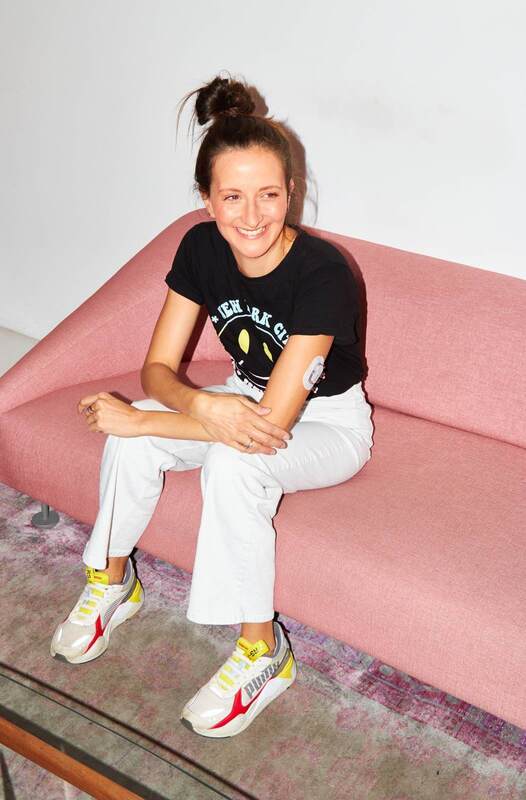
Hollie Fraser
September 2002
Employed
Hollie Fraser attended QEGS Sixth Form from 2002 till 2004 and attended Banovallum beforehand.
Tell us about the early days of your career. How did you become a Creative Director?
I studied Graphic Design and Advertising at Buckinghamshire New University. Graduating in 2008, with a portfolio in hand, I headed straight to London determined to break into the advertising industry. I visited every ad agency there was, meeting with creative directors, copywriters and art directors to secure an internship. These internships paid between £70 and £200 per week, well below minimum wage, so I supplemented my income with street flyering and working as a shop assistant.
By the end of 2009 I had turned an internship into a full-time position and so I continued my career working at advertising agencies across London. In 2015 I moved to New York City, where I went from being an Art Director to a Creative Director. Eventually, I left my full-time job to become an independent Creative Director, which is what I am today.
What is your fondest memory from your time at QEGS?
I joined QEGS for my A levels from Banovallum. And my fondest memories are the friends I made and Charlie Harcombe’s house parties (that’s the wrong answer, isn’t it?).
What subjects did you study at A-Level?
I studied French, Religious Studies and Ethics, Textiles and Art.
Who was the person who inspired you during your time at QEGS?
I was inspired most by the arts; I loved every class with Mr Hull.
What has been your biggest achievement?
My biggest achievement is still to come this summer when I am hosting a panel at The Lions Festival of Creativity in Cannes.
But my two biggest achievements so far are: creating a social sharing movement across the world with Books on the Underground and Books on the Subway, and most recently in founding We Are Shelance, a collective of some of the world’s best female freelance creatives.
What advice would you give to a current student at QEGS?
The path to success isn't straight, and it's okay not to know what you want to do or be. The next chapter is about discovering what you love and where you thrive.
I pursued my passion for art. Although art is often seen as an alternative career, finding the right path can lead to amazing financial success – more than I ever expected.
Success isn't defined by passing tests or getting good exam results. It's about passion, persistence, and hard work. If you commit to something, you'll realise you're capable of much more than you thought.
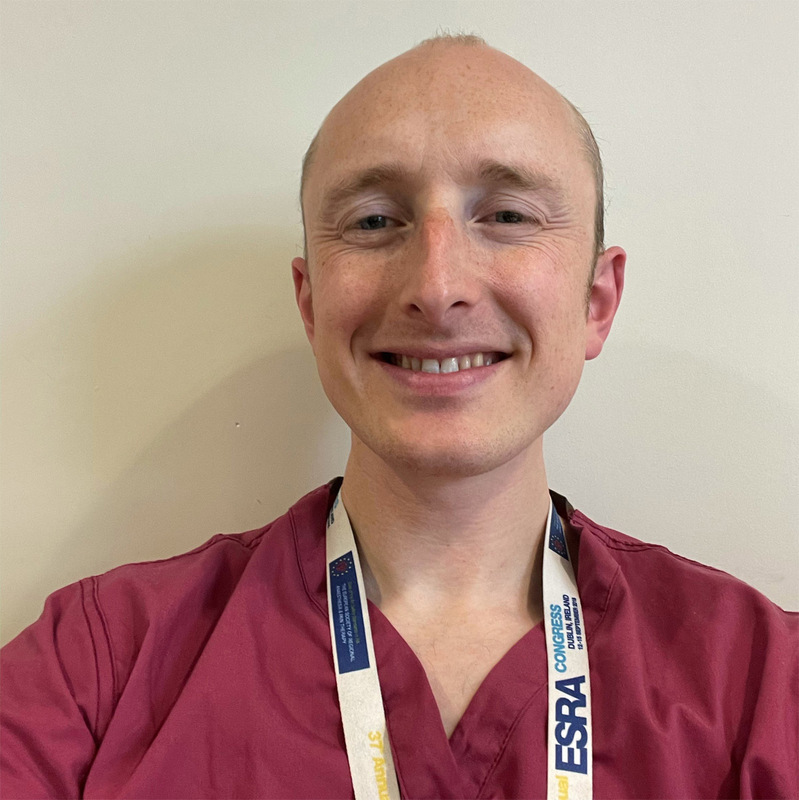
Dr James Parry
September 2001
Employed
Dr James Parry is an NHS consultant anaesthetist at the Royal National Orthopaedic Hospital, Stanmore and gives us an insight into his career journey and current role below.
Can you tell us about your experiences since leaving QEGS and how you became an anaethetist?
It has been a long journey, 16 years in fact! After leaving QEGS in 2003, I went to Newcastle University to study medicine and then worked in northern hospitals for my junior years. I moved to London for my senior training as an anaesthetic registrar as I had always wanted to live and work in the capital and have ended up staying!
Before finishing training, I took a year out to do a fellowship in Perth, Australia, heading out with my wife and our daughter who was five months old at the time. It was an amazing adventure: we travelled in campervans, swam with 12-foot whale sharks and I learned to kite surf. I gained skills in my sub-specialist interest of regional anaesthesia (blocking the nerves to allow the patient to have surgery awake). On returning to the UK, I finished my training before applying for a consultant post.
The coronavirus pandemic has been particularly challenging for anaesthetists, testing our resilience to the max. Working at the Nightingale Hospital in the Excel Centre in East London and my intensive care unit at RNOH during the pandemic has been an eye-opening experience. These were some of the most critically unwell patients I have ever looked after.
Did you always want to be a doctor?
No! I was good at science subjects at A Level and a friend of mine said, "I'm considering applying for medicine.” I thought, "Yeah OK, that fits!"
What is your fondest memory from your time at QEGS?
Being in sixth form and the friendships I formed. Sixth form gave me the feeling of independence where you were treated as an adult by the teachers but with a good support network. I am still in regular contact with many friends from QEGS.
Who was the person who inspired you during your time at QEGS?
Miss Cooper. She pushed me on the hockey pitch to be the best I could be, and this has also helped with my motivation to achieve things in my career.
What subjects or activities helped prepare you for your current role?
The science subjects are the obvious ones, but it is very important to have good teamwork, leadership and communication skills so being part of sports teams has been very useful. Having other interests outside of medicine is also important to ensure you are well balanced and can relax outside of work!
Has growing up in Lincolnshire influenced your work?
Lincolnshire is a great place to grow up and I have fond memories as a child there. QEGS also afforded me many opportunities which stood me in good stead to get where I am today.
What has been your biggest achievement?
So far, it is getting my consultant job. It took a long time, lots of exams and night shifts and missing lots of social occasions so there was a huge sense of relief when I got it. That and my young family.
What advice would you give to a current student at QEGS, who might want to follow in your footsteps?
Speak to doctors to get their insight into the job. Read 'This is Going to Hurt' by Adam Kay (an accurate, moving, and funny no-holds-barred depiction of life as a trainee doctor). Do work experience - you would be welcome at RNOH! Work out what you enjoy doing; if you enjoy science, learning new skills and working with people a career in medicine could be for you.
Don't just study! It is so important to be able to communicate and show empathy. This is not achieved by being good at chemistry but by being a well rounded individual with other life skills. Applying to medical school is competitive so if you have anything different on your CV that makes you stand out, use it! Good luck!
Enrichment Activities
Show all activitiesReady to Apply?
About School


| Region | East Midlands |
| Local Authority | Lincolnshire |
| Ofsted Rating | |
| Gender Type | Mixed |