
Chemistry
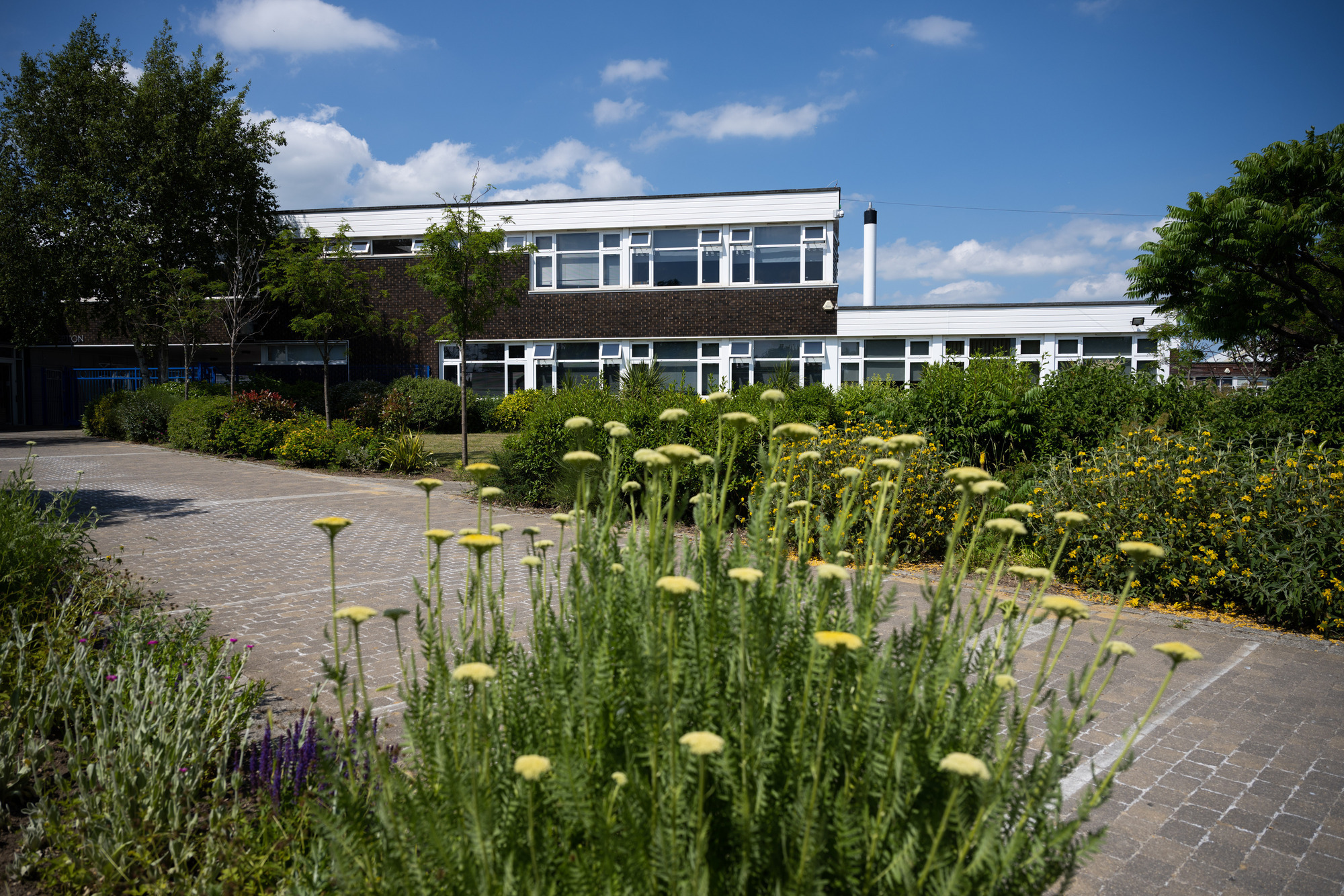
Cecil Jones Academy

Course summary
Doing an A-level in chemistry can open many doors for you in the future. It is always seen as a challenging, academic, and rigorous A-level that will impress a lot of universities and employers, therefore a qualification in chemistry opens doors to a wide range of career opportunities. As well as practical knowledge of the subject, chemistry students develop many other useful skills, such as researching, problem-solving, organizational skills, and analytical skills. Group projects and presentations will also help develop your teamwork and communication skills. The course is designed to lead to higher education; any degree course involving a scientific base will accept chemistry as an A Level. Chemistry is perceived as an extremely versatile subject and is well respected by colleges and universities alike. Chemistry graduates also tend to be well-paid! Recent research by PriceWaterhouseCoopers has shown that, on average, chemistry graduates earn more during their lifetimes than graduates of many other disciplines - up to 15 percent higher in some cases! Chemical scientists have a higher employment rate than students of other subjects. Over 70 percent of chemistry students will enter a professional or managerial role when they have finished their studies and double the UK average go on to further study. In 2018, the Nobel Prize for chemistry was awarded to a woman for only the fifth time in history! Frances H Arnold earned the award through her work on enzymes. The award was also awarded to George P Smith and Sir Gregory P Winter, for their work on peptides and antibodies. Could this be you one day? The first Briton in space, Helen Sharman, and the first female British Prime Minister, Margaret Thatcher, both studied chemistry at university. The two-year qualification combines scientific theory and practical skills relevant to understanding organic, inorganic, and physical chemistry. This qualification is intended to provide students with a great depth and breadth of understanding to challenge and stretch. As a student, you will recognize the usefulness and limitations of a scientific method and appreciate its applicability in other disciplines and everyday life. Learning activities will include practical work, independent research, class discussions, presentations, online interactive tutorials, and note-taking. Throughout the course you will develop the following skills: • Using apparatus skilfully and safely • Producing and recording valid and reliable measurements and observations • Presenting and analyzing data • Research skills • Identifying and evaluating resources • Clarity of oral and written expression using scientific language • Discussion and presentation skills • Making notes • Problem solving
Ready to Apply?
About School

0%