This course is aimed at students who are passionate about photography and lens-based media. It is a complex and exciting art form. Students produce quality stimulating photographs that stand out from the mass-produced images associated with social media. We aim to introduce students to the real core of photography. Students will explore digital and darkroom techniques and processes allowing them to develop their understanding of the key elements of photography. A good photographer needs to be able to read situations, anticipate, and react. The course includes a strong academic element in which students are challenged to analyze and critique the work of others. Year 12: Students produce a portfolio of evidence covering a wide range of photographic disciplines, allowing them to experiment and explore a wide range of workshops that will give them essential photographic and editing skills. Students will then begin their personal investigation into a theme of their choice. Year 13: Component 1: 60% of qualification NEA During the second year, students will be expected to develop a personal study in which they explore their own ideas and processes in relation to the work of other photographers. Students will be expected to produce an extended coursework folder with a supporting essay of 1000-3000 words. Component 2: 40% of qualification NEA Students receive an externally set assignment set by AQA which includes a number of questions based around a theme. Students select one question and independently produce a volume of preparatory studies. Students use this work to inform the final piece produced in a practical fifteen-hour exam.
Students who wish to study three A levels must achieve a minimum of: Six GCSE’s at grade 6 or above; and GCSE Mathematics and GCSE English (Language or Literature) at grade 5 or above 6 in GCSE Photography. A portfolio will be requested for external applicants and those not having previously studied the subject.
All components are “non-exam assessments” (NEA) assessed on the following criteria: - Develop ideas through investigations informed by contextual sources. - Explore and select resources, media, materials, techniques, and processes – refining idea development. - Record ideas, observations, and insights relevant to intentions. - Present a personal, informed, and meaningful response to ideas. Make connections between visual and written elements.
About Education Provider
| Region | West Midlands |
| Local Authority | Solihull |
| Ofsted Rating | Outstanding |
| Gender Type | Co-Educational |
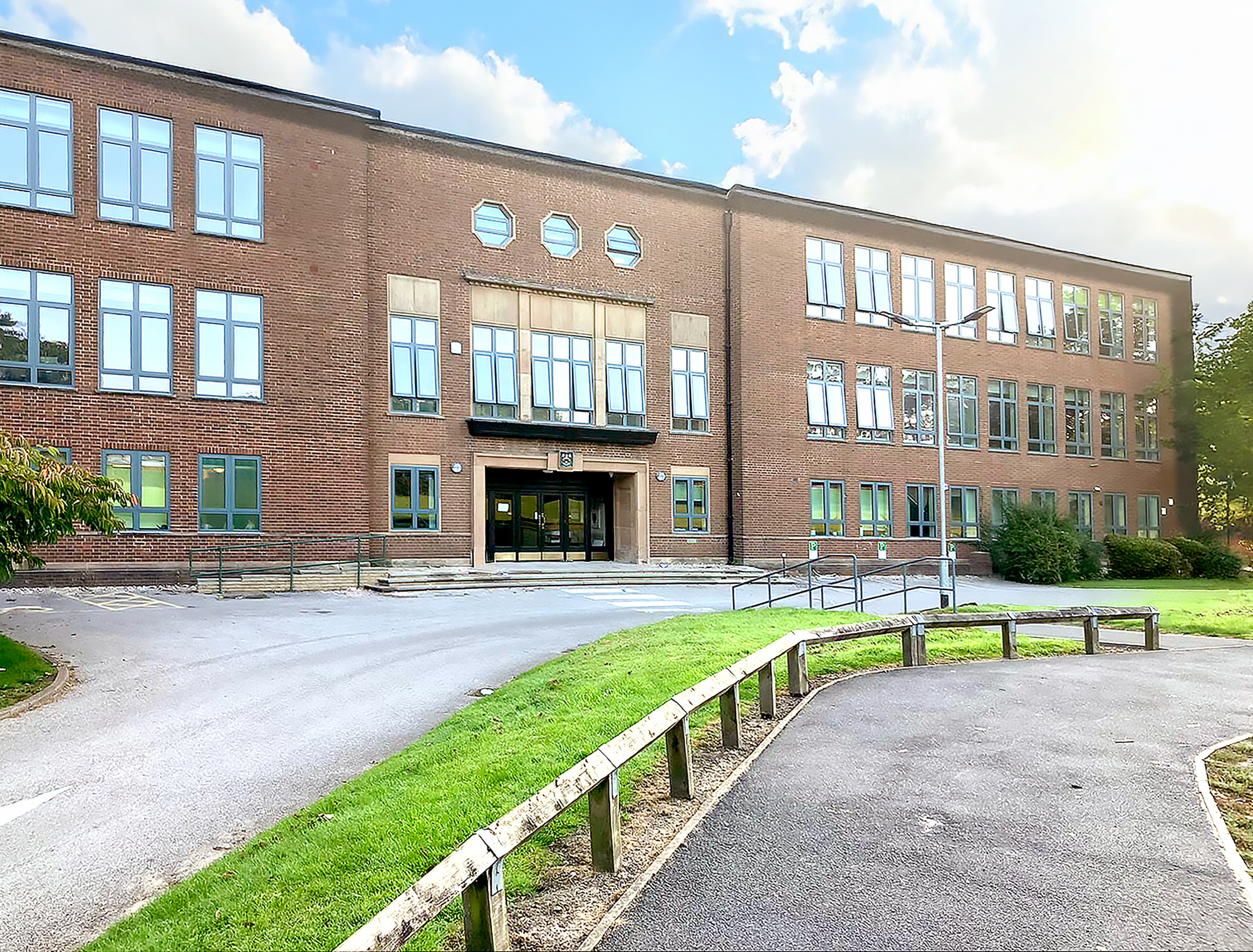
| Address | Dingle Lane, Solihull, B91 3PD |
This course is aimed at students who are passionate about photography and lens-based media. It is a complex and exciting art form. Students produce quality stimulating photographs that stand out from the mass-produced images associated with social media. We aim to introduce students to the real core of photography. Students will explore digital and darkroom techniques and processes allowing them to develop their understanding of the key elements of photography. A good photographer needs to be able to read situations, anticipate, and react. The course includes a strong academic element in which students are challenged to analyze and critique the work of others. Year 12: Students produce a portfolio of evidence covering a wide range of photographic disciplines, allowing them to experiment and explore a wide range of workshops that will give them essential photographic and editing skills. Students will then begin their personal investigation into a theme of their choice. Year 13: Component 1: 60% of qualification NEA During the second year, students will be expected to develop a personal study in which they explore their own ideas and processes in relation to the work of other photographers. Students will be expected to produce an extended coursework folder with a supporting essay of 1000-3000 words. Component 2: 40% of qualification NEA Students receive an externally set assignment set by AQA which includes a number of questions based around a theme. Students select one question and independently produce a volume of preparatory studies. Students use this work to inform the final piece produced in a practical fifteen-hour exam.
Students who wish to study three A levels must achieve a minimum of: Six GCSE’s at grade 6 or above; and GCSE Mathematics and GCSE English (Language or Literature) at grade 5 or above 6 in GCSE Photography. A portfolio will be requested for external applicants and those not having previously studied the subject.
All components are “non-exam assessments” (NEA) assessed on the following criteria: - Develop ideas through investigations informed by contextual sources. - Explore and select resources, media, materials, techniques, and processes – refining idea development. - Record ideas, observations, and insights relevant to intentions. - Present a personal, informed, and meaningful response to ideas. Make connections between visual and written elements.