Philosophy means the love of wisdom. It is the activity of seeking out truth regarding ultimate questions on life. In Philosophy we consider how others have answered these questions. We assess their answers, before making judgements about the most likely solutions to some of the big questions of existence. Course Content: Year 12 There are two compulsory units focussing on two of the biggest foundational ideas in Philosophy and introducing the skills of logical analysis. Section A: Epistemology asks the question: ‘What can we know?’ This includes how we acquire knowledge, the relationship between truth, belief and justification, and whether we can ever be certain of anything. Section B: Moral Philosophy asks the question: ‘What is the good?’ It examines whether moral truths can even be known. We consider the meaning of ethical language like ‘good’ and ‘evil’; the philosophical approaches of Kant, Aristotle and Bentham; and contemporary moral debates. Year 13 Two further compulsory units focussing on metaphysics, which asks us to consider the nature of existence. Section C: Metaphysics of God asks the questions: ‘What do we mean by God?’ and ‘Does God exist?’ We consider arguments that attempt to use reason to prove God’s existence, including the ontological argument and cosmological argument, as well as considering what religious language means. Section D: Metaphysics of Mind asks the question: ‘What is the connection between our mental states and our physical body?’ Considering key scholars like Descartes, we consider if we can know other people have the same experience as us, if the mind is connected to the brain, and whether we can talk meaningfully about mental states.
Minimum GCSE of 6 in English, 5 in Maths and 6 in Religious Studies (if studied).
A-Level: Two 3-hour exams
About Education Provider
| Region | East of England |
| Local Authority | Essex |
| Ofsted Rating | Outstanding |
| Gender Type | Co-Educational |
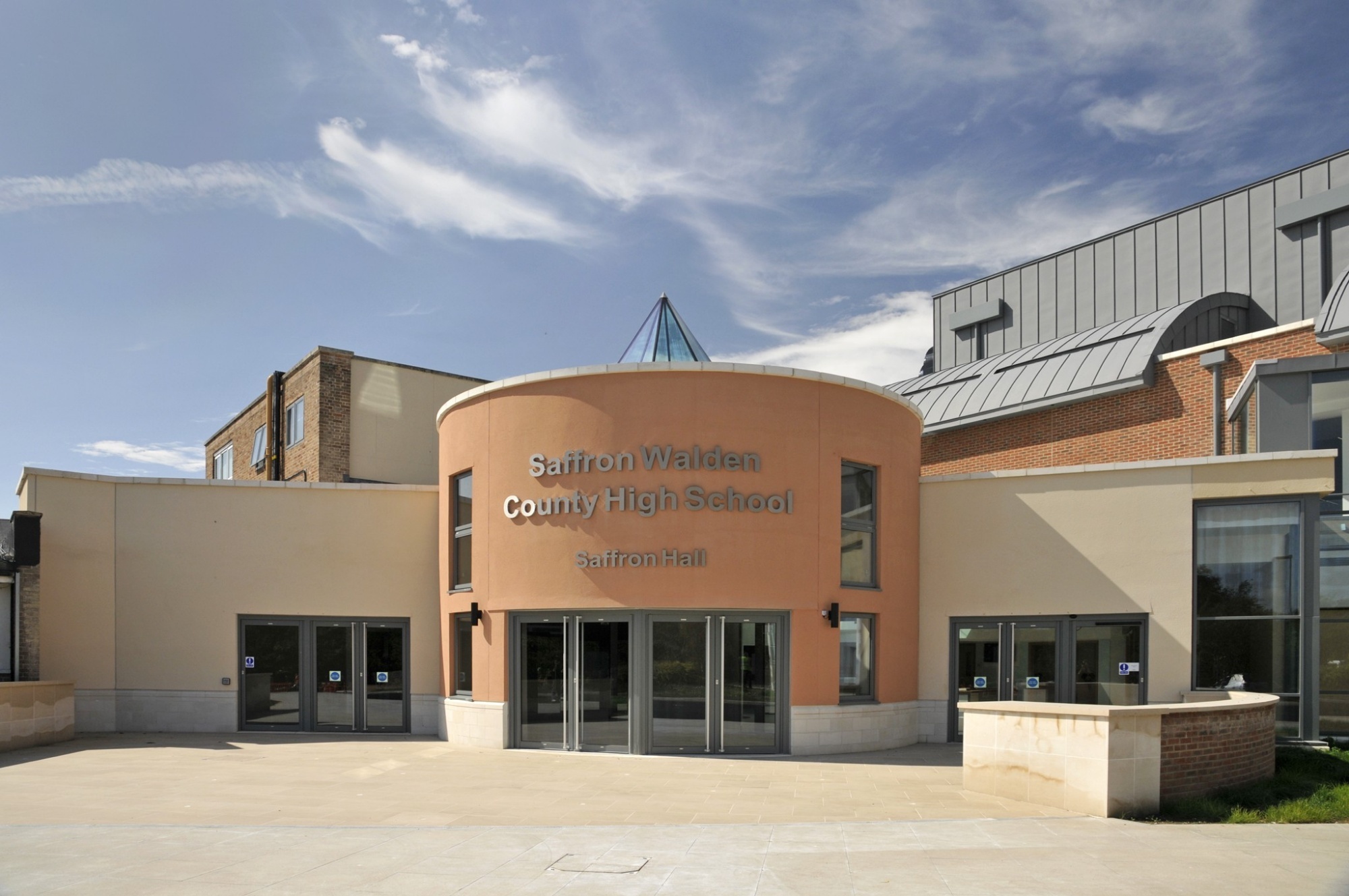
| Address | Audley End Road, Saffron Walden, CB11 4UH |
Philosophy means the love of wisdom. It is the activity of seeking out truth regarding ultimate questions on life. In Philosophy we consider how others have answered these questions. We assess their answers, before making judgements about the most likely solutions to some of the big questions of existence. Course Content: Year 12 There are two compulsory units focussing on two of the biggest foundational ideas in Philosophy and introducing the skills of logical analysis. Section A: Epistemology asks the question: ‘What can we know?’ This includes how we acquire knowledge, the relationship between truth, belief and justification, and whether we can ever be certain of anything. Section B: Moral Philosophy asks the question: ‘What is the good?’ It examines whether moral truths can even be known. We consider the meaning of ethical language like ‘good’ and ‘evil’; the philosophical approaches of Kant, Aristotle and Bentham; and contemporary moral debates. Year 13 Two further compulsory units focussing on metaphysics, which asks us to consider the nature of existence. Section C: Metaphysics of God asks the questions: ‘What do we mean by God?’ and ‘Does God exist?’ We consider arguments that attempt to use reason to prove God’s existence, including the ontological argument and cosmological argument, as well as considering what religious language means. Section D: Metaphysics of Mind asks the question: ‘What is the connection between our mental states and our physical body?’ Considering key scholars like Descartes, we consider if we can know other people have the same experience as us, if the mind is connected to the brain, and whether we can talk meaningfully about mental states.
Minimum GCSE of 6 in English, 5 in Maths and 6 in Religious Studies (if studied).
A-Level: Two 3-hour exams