This course extends the creative skills and experiences of GCSE, exploring a wide range of media, materials, artists and processes. A personal approach to skills development and the exploration of art is encouraged. Course Content: Year 12 Component 1: Throughout the Year 12 course you will develop work for your portfolio. The course includes drawing, painting, ceramics and print making. The study of artists and illustrators enhances the development of your work. During Year 12 you create your own self-directed portfolio project, that allows you to explore and develop a wide range of work from your own chosen starting point. Component 2: ‘Non exam assessment’ is an internally set exam. You choose one question and complete preparatory work in the lead-in period before your final ten-hour practical exam at the end of the course. Year 13 A-Level (60% coursework, 40% exam) Component 1: Consists of the ‘Personal Investigation’, based on a theme, concept or starting point of your choice. This will allow you to study a wide variety of media, materials, techniques and processes. You will use your understanding of artists and designers to develop your own practical work. The Personal Investigation includes a compulsory written element of 1,000 – 3,000 words. Component 2: ‘Non exam assessment’ set within school. You choose one question and complete preparatory work in the lead-in period before your final ten-hour practical exam at the end of the course.
+ GCSE 5 in Art + ONE of EACH of the following from GCSE or personal portfolios (eg in Powerpoint presentation, one image per slide): observational drawing; work showing good use of media; research piece on artist or designer; final piece of artwork or design; your favourite, most successful piece of work.
Assessment Criteria Assessment Objective 1: Developing ideas/using reference/sustainment Assessment Objective 2: Experimentation/reflection/technical expertise Assessment Objective 3: Recording/research/observations Assessment Objective 4: Personal response
About Education Provider
| Region | East of England |
| Local Authority | Essex |
| Ofsted Rating | Outstanding |
| Gender Type | Co-Educational |
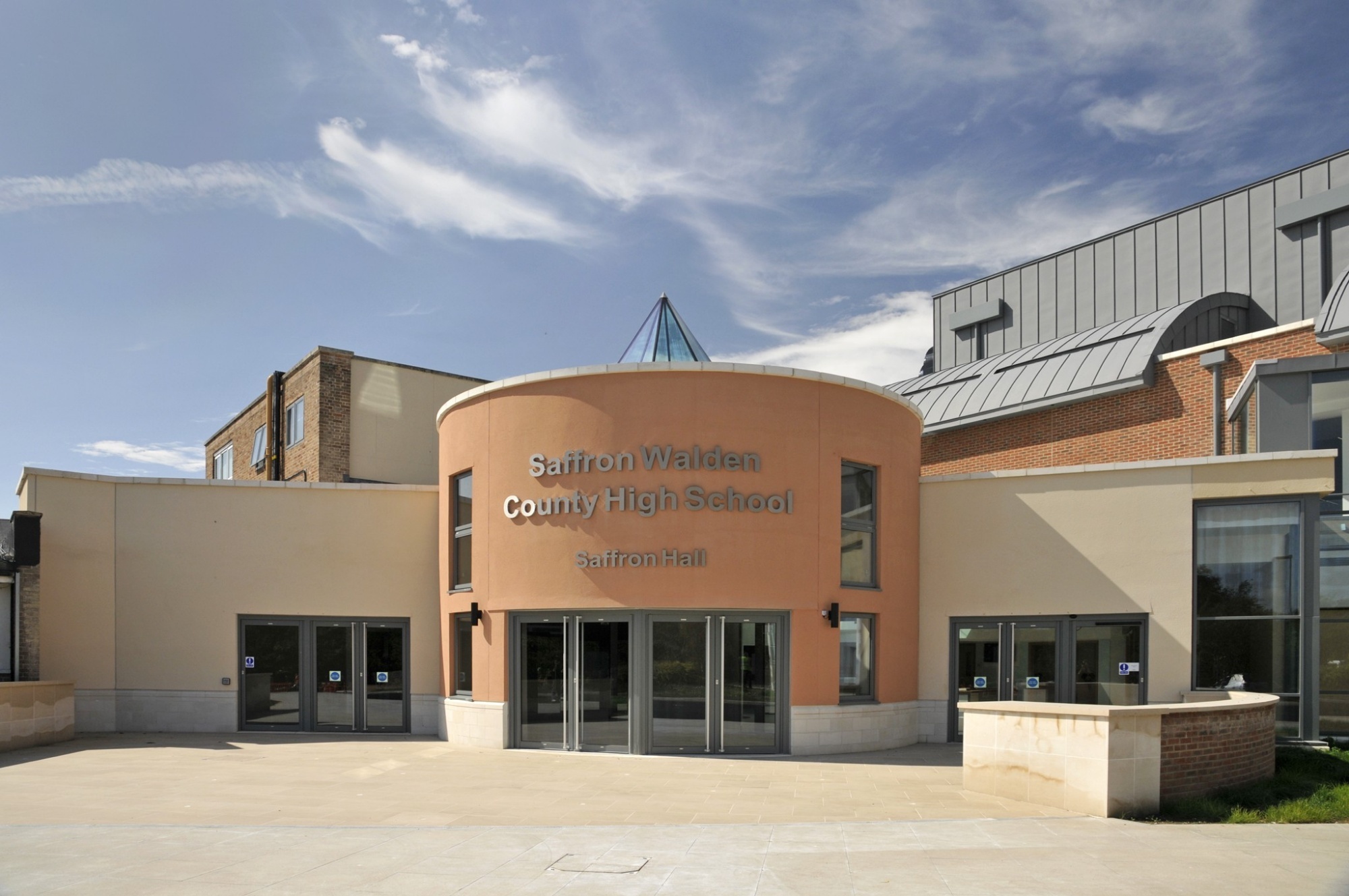
| Address | Audley End Road, Saffron Walden, CB11 4UH |
This course extends the creative skills and experiences of GCSE, exploring a wide range of media, materials, artists and processes. A personal approach to skills development and the exploration of art is encouraged. Course Content: Year 12 Component 1: Throughout the Year 12 course you will develop work for your portfolio. The course includes drawing, painting, ceramics and print making. The study of artists and illustrators enhances the development of your work. During Year 12 you create your own self-directed portfolio project, that allows you to explore and develop a wide range of work from your own chosen starting point. Component 2: ‘Non exam assessment’ is an internally set exam. You choose one question and complete preparatory work in the lead-in period before your final ten-hour practical exam at the end of the course. Year 13 A-Level (60% coursework, 40% exam) Component 1: Consists of the ‘Personal Investigation’, based on a theme, concept or starting point of your choice. This will allow you to study a wide variety of media, materials, techniques and processes. You will use your understanding of artists and designers to develop your own practical work. The Personal Investigation includes a compulsory written element of 1,000 – 3,000 words. Component 2: ‘Non exam assessment’ set within school. You choose one question and complete preparatory work in the lead-in period before your final ten-hour practical exam at the end of the course.
+ GCSE 5 in Art + ONE of EACH of the following from GCSE or personal portfolios (eg in Powerpoint presentation, one image per slide): observational drawing; work showing good use of media; research piece on artist or designer; final piece of artwork or design; your favourite, most successful piece of work.
Assessment Criteria Assessment Objective 1: Developing ideas/using reference/sustainment Assessment Objective 2: Experimentation/reflection/technical expertise Assessment Objective 3: Recording/research/observations Assessment Objective 4: Personal response