The emphasis of this course is on abstract thinking, general problem solving and algorithmic and mathematical reasoning. The course develops students’ computational problem-solving ability. Students will also develop a range of skills, including high and low-level programming languages, network topologies, communication and Boolean algebra. Course Content: The course covers the following aspects of Computer Science: 1. Fundamentals of programming 2. Fundamentals of data structures 3. Fundamentals of algorithms 4. Theory of computation 5. Fundamentals of data representation 6. Fundamentals of computer system 7. Fundamentals of computer organisation and architecture 8. Consequences of uses of computing 9. Fundamentals of communication and networking 10. Fundamentals of databases 11. Big Data 12. Fundamentals of functional programming 13. Systematic approach to problem solving.
GCSE 7 in Maths or GCSE 6 in Maths with GCSE 7 in Computer Science (if studied).
Paper 1: A 2-hour 30 minutes exam, covering topics 1–4 above (40% of A-Level) Paper 2: A 2-hour 30 minutes exam, covering topics 5–13 above (40% of A-Level) Coursework – A practical programming project of own choosing (20% of A-Level)
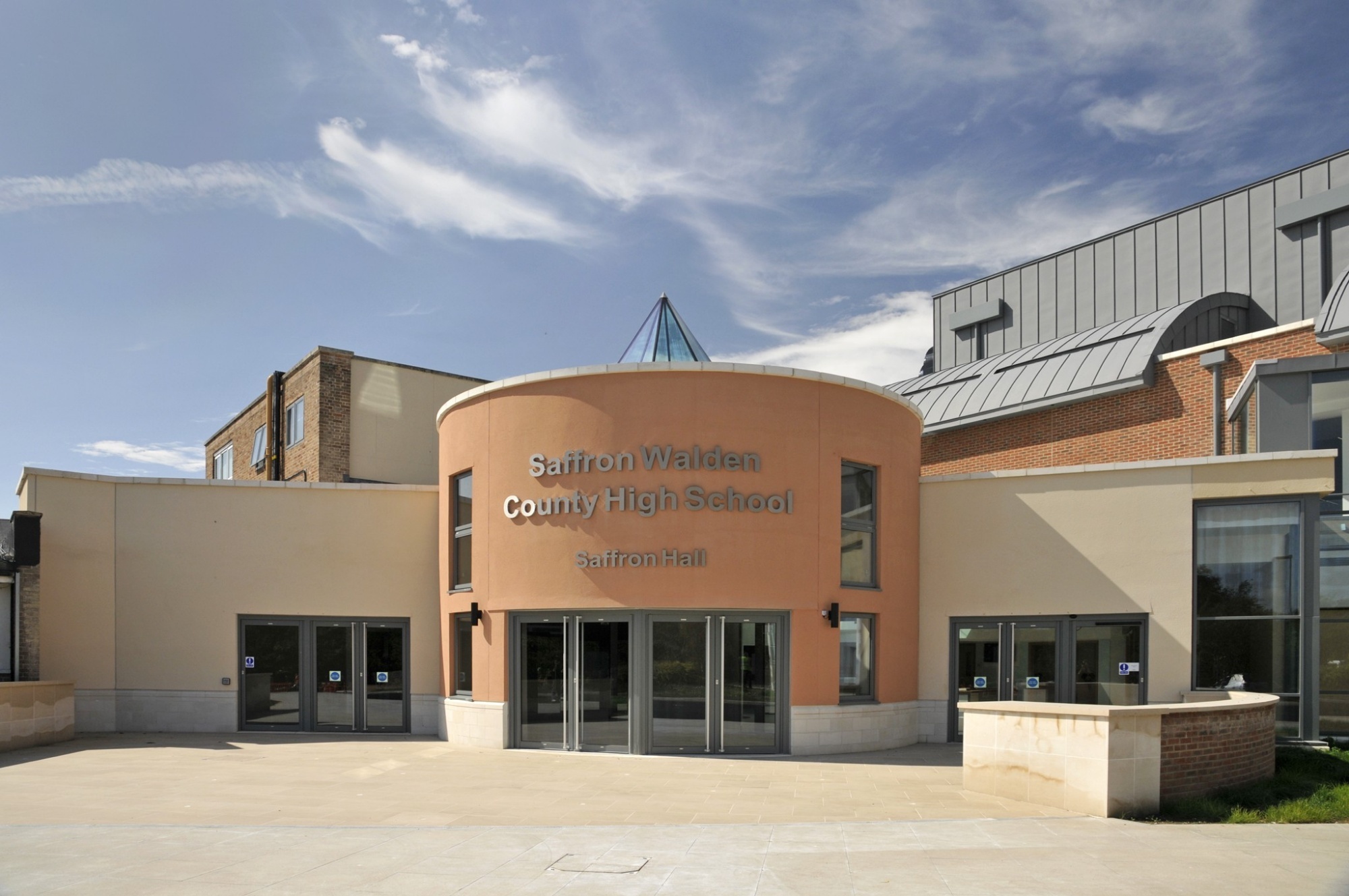
About Education Provider
| Region | East of England |
| Local Authority | Essex |
| Ofsted Rating | Outstanding |
| Gender Type | Co-Educational |
| Address | Audley End Road, Saffron Walden, CB11 4UH |
The emphasis of this course is on abstract thinking, general problem solving and algorithmic and mathematical reasoning. The course develops students’ computational problem-solving ability. Students will also develop a range of skills, including high and low-level programming languages, network topologies, communication and Boolean algebra. Course Content: The course covers the following aspects of Computer Science: 1. Fundamentals of programming 2. Fundamentals of data structures 3. Fundamentals of algorithms 4. Theory of computation 5. Fundamentals of data representation 6. Fundamentals of computer system 7. Fundamentals of computer organisation and architecture 8. Consequences of uses of computing 9. Fundamentals of communication and networking 10. Fundamentals of databases 11. Big Data 12. Fundamentals of functional programming 13. Systematic approach to problem solving.
GCSE 7 in Maths or GCSE 6 in Maths with GCSE 7 in Computer Science (if studied).
Paper 1: A 2-hour 30 minutes exam, covering topics 1–4 above (40% of A-Level) Paper 2: A 2-hour 30 minutes exam, covering topics 5–13 above (40% of A-Level) Coursework – A practical programming project of own choosing (20% of A-Level)