Environmental Science is a highly relevant science option, ideal for anyone concerned with environmental issues, systems thinking and sustainability. Students who enjoy a multidisciplinary approach to learning and have a keen interest in sustainability will find this subject engaging and thought-provoking. Scientific research is a fundamental part of Environmental Science; good research skills are needed for collecting representative data to formulate reliable conclusions. Students acquire a range of field work skills, scientific knowledge and understanding, developing the ability to work with others. Students also gain an appreciation of work in the environmental sector, allowing for progression into further education, employment, or training. Course Content: Two teachers teach the course to Year 12 and Year 13, with nine lessons per fortnight. Topics include: 1. Biological environment 2. Physical environment 3. Energy resources 4. Biological resources 5. Pollution 6. Sustainability
Minimum GCSE of 5/5 in Combined Science, plus 5 in English
All topics are mandatory. Two three-hour external exams at the end of the two-year course. Year 12 The physical and biological environments are covered with an internal exam at the end of the first year. Students are also required to complete 2–4 days of field work throughout the year. Year 13. The remaining topics are covered in the second year.
About Education Provider
| Region | East of England |
| Local Authority | Essex |
| Ofsted Rating | Outstanding |
| Gender Type | Co-Educational |
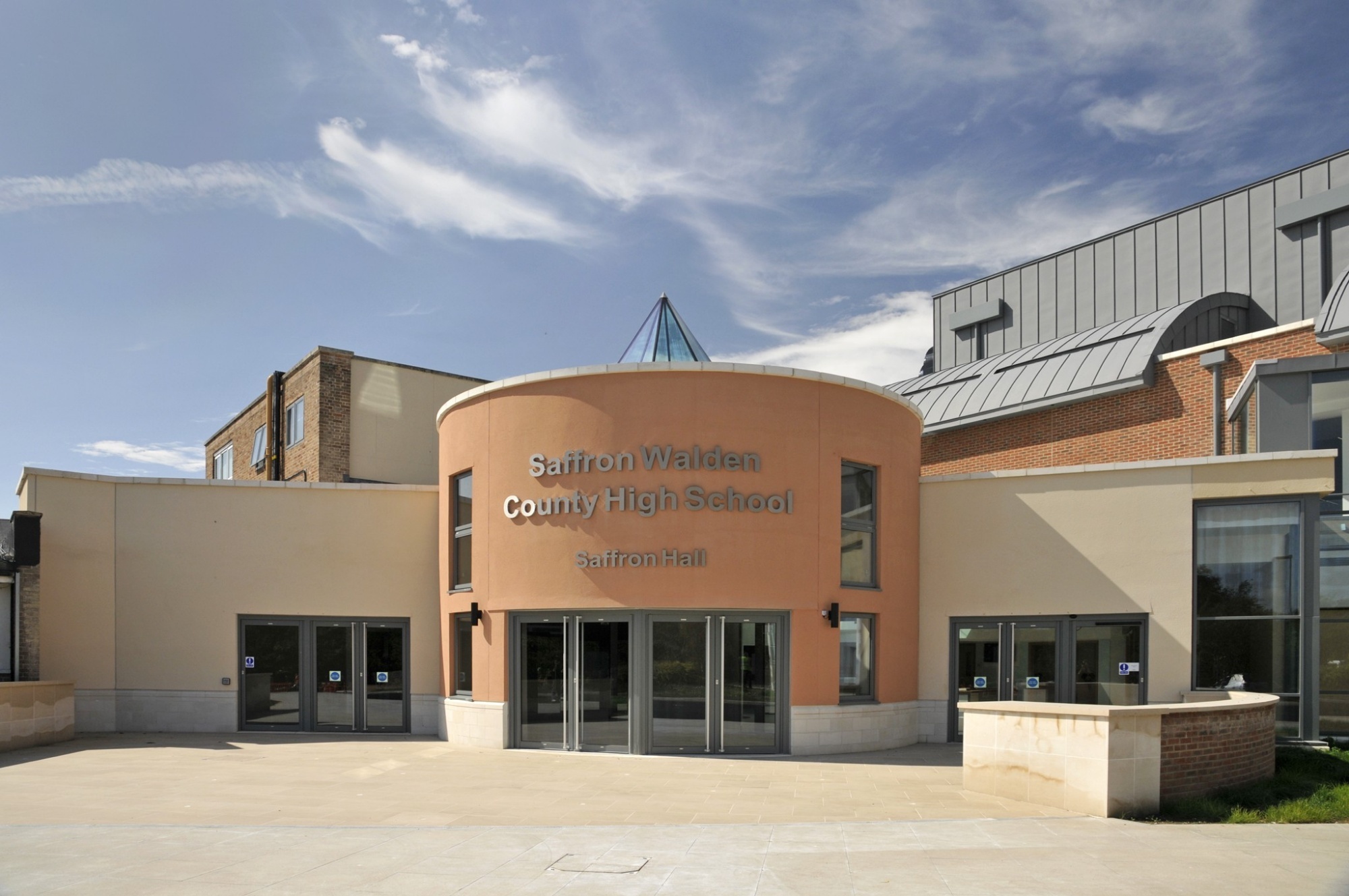
| Address | Audley End Road, Saffron Walden, CB11 4UH |
Environmental Science is a highly relevant science option, ideal for anyone concerned with environmental issues, systems thinking and sustainability. Students who enjoy a multidisciplinary approach to learning and have a keen interest in sustainability will find this subject engaging and thought-provoking. Scientific research is a fundamental part of Environmental Science; good research skills are needed for collecting representative data to formulate reliable conclusions. Students acquire a range of field work skills, scientific knowledge and understanding, developing the ability to work with others. Students also gain an appreciation of work in the environmental sector, allowing for progression into further education, employment, or training. Course Content: Two teachers teach the course to Year 12 and Year 13, with nine lessons per fortnight. Topics include: 1. Biological environment 2. Physical environment 3. Energy resources 4. Biological resources 5. Pollution 6. Sustainability
Minimum GCSE of 5/5 in Combined Science, plus 5 in English
All topics are mandatory. Two three-hour external exams at the end of the two-year course. Year 12 The physical and biological environments are covered with an internal exam at the end of the first year. Students are also required to complete 2–4 days of field work throughout the year. Year 13. The remaining topics are covered in the second year.