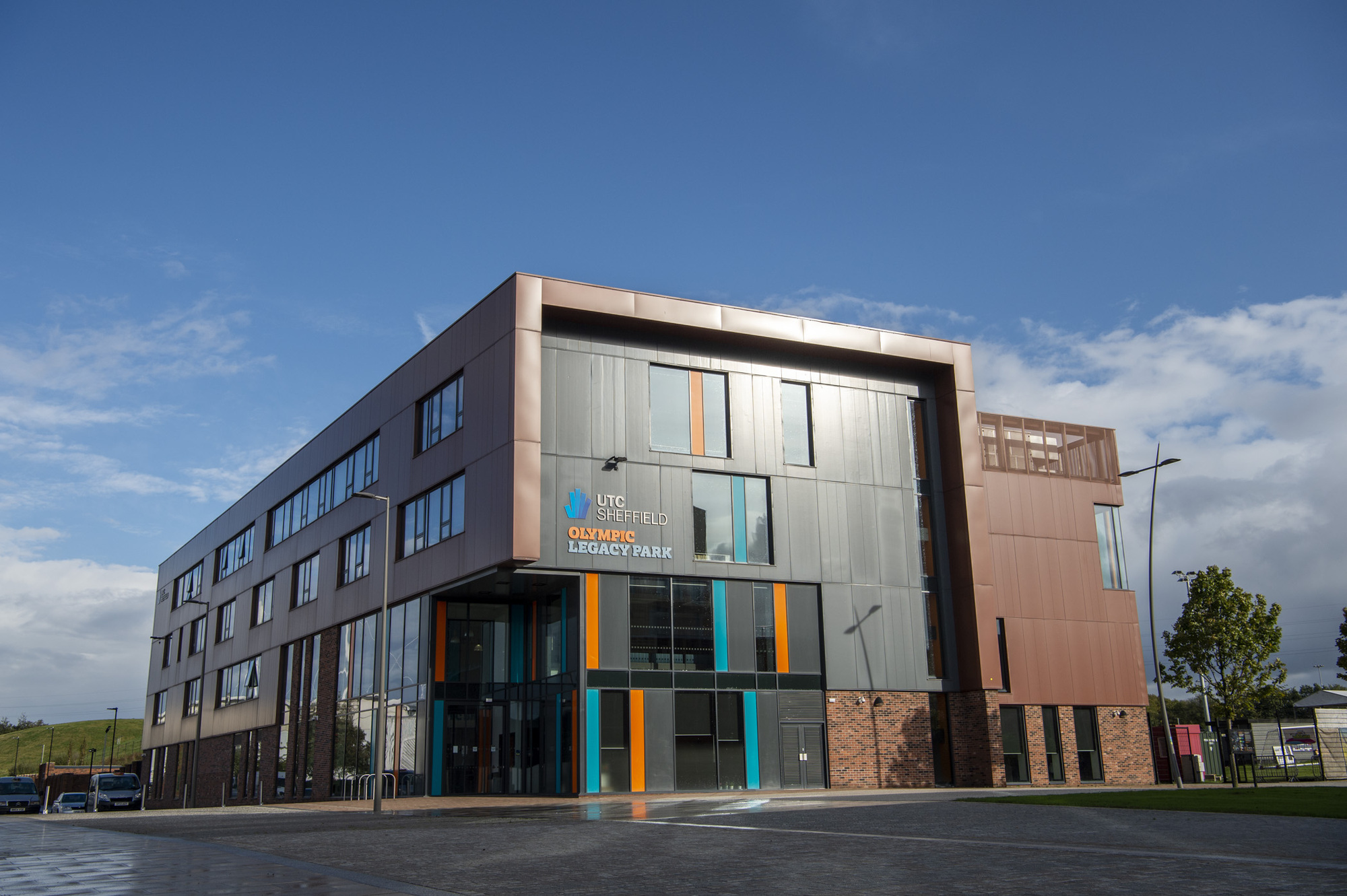
A Level Physics (OCR) A Level Physics helps you understand how the universe works — from the smallest particles to the largest galaxies. It develops your skills in problem solving, logical thinking, and practical investigation, making it an excellent foundation for careers in engineering, medicine, architecture, computer science, and research. You’ll study the following key modules: Module 1 – Development of Practical Skills in Physics Learn to plan, carry out, and evaluate experiments, developing the core practical skills used by scientists. Module 2 – Foundations in Physics Explore physical quantities, units, measurements, and vectors — the essential language of physics. Module 3 – Forces and Motion Study kinematics, dynamics, and motion in everyday and extreme situations. Module 4 – Electrons, Waves and Photons Discover the behaviour of electricity, the nature of light, and the principles of quantum physics. Module 5 – Newtonian World and Astrophysics Understand the forces that govern planets, stars, and galaxies, linking Newton’s laws to the wider universe. Module 6 – Particles and Medical Physics Learn about subatomic particles, nuclear physics, and their applications in medical imaging and treatment. Assessment: Assessment is through three written exams at the end of Year 13, along with a practical endorsement awarded for demonstrating key experimental skills throughout the course. Location: A Level Physics is normally delivered at UTC Sheffield Olympic Legacy Park, but if application numbers are small, it may be taught at our sister site in the City Centre. Timetables will ensure that travel time between sites is built in. This A Level provides an excellent route to university courses in physics, engineering, astrophysics, medicine, or other STEM fields, and develops highly transferable analytical and technical skills.
Grade 6 or better in Combined Science or Physics plus at least a Grade 5 in Maths.
Assessment: Assessment is through three written exams at the end of Year 13, along with a practical endorsement awarded for demonstrating key experimental skills throughout the course.
About Education Provider
| Region | Yorkshire and the Humber |
| Local Authority | Sheffield |
| Ofsted Rating | Good |
| Gender Type | Co-Educational |
| Address | 2 Old Hall Road, Sheffield, S9 3TU |
A Level Physics (OCR) A Level Physics helps you understand how the universe works — from the smallest particles to the largest galaxies. It develops your skills in problem solving, logical thinking, and practical investigation, making it an excellent foundation for careers in engineering, medicine, architecture, computer science, and research. You’ll study the following key modules: Module 1 – Development of Practical Skills in Physics Learn to plan, carry out, and evaluate experiments, developing the core practical skills used by scientists. Module 2 – Foundations in Physics Explore physical quantities, units, measurements, and vectors — the essential language of physics. Module 3 – Forces and Motion Study kinematics, dynamics, and motion in everyday and extreme situations. Module 4 – Electrons, Waves and Photons Discover the behaviour of electricity, the nature of light, and the principles of quantum physics. Module 5 – Newtonian World and Astrophysics Understand the forces that govern planets, stars, and galaxies, linking Newton’s laws to the wider universe. Module 6 – Particles and Medical Physics Learn about subatomic particles, nuclear physics, and their applications in medical imaging and treatment. Assessment: Assessment is through three written exams at the end of Year 13, along with a practical endorsement awarded for demonstrating key experimental skills throughout the course. Location: A Level Physics is normally delivered at UTC Sheffield Olympic Legacy Park, but if application numbers are small, it may be taught at our sister site in the City Centre. Timetables will ensure that travel time between sites is built in. This A Level provides an excellent route to university courses in physics, engineering, astrophysics, medicine, or other STEM fields, and develops highly transferable analytical and technical skills.
Grade 6 or better in Combined Science or Physics plus at least a Grade 5 in Maths.
Assessment: Assessment is through three written exams at the end of Year 13, along with a practical endorsement awarded for demonstrating key experimental skills throughout the course.