Music

Course summary
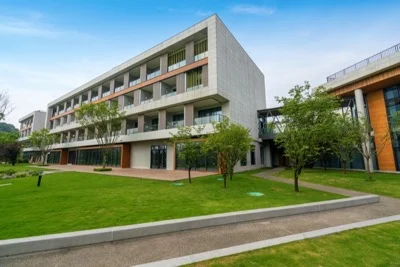
Music is a dynamic, creative, challenging, and exciting subject that draws on the experiences and knowledge you will have gained at GCSE and from years of learning, practicing, and performing on an instrument. You should be a musician who is interested in all aspects of listening to music, composing music, reading musical scores, and performing music in solo and ensemble settings. You will enjoy studying and learning about a wide range of music in its context, period, and style and its impact on the history and development of musical genres. There are three components: Performing, Composing, and Listening and Analysis, which involves studying a variety of set works. Music students have the opportunity to study in a purpose-built centre with access to; fully equipped practice rooms, rehearsal and performance spaces, industry-standard recording facilities and equipment, technician support, and a Mac computer suite. The first year comprises solo and ensemble performing, for coursework and concerts; composing to a set brief, music theory and harmony in the form of four-part writing; and listening to and analyzing familiar and unfamiliar music, using an anthology of scores. The second year will cover extended performance skills, in the form of an eight-minute recital; two compositions (one to a formal brief, one compositional techniques paper); contextual studies; extended listening techniques, including dictation and chord identification; and analysis of set scores, demonstrated through evaluative and analytical essay writing. Set works include vocal works by J.S. Bach, Vaughan-Williams, and symphonic music such as Berlioz's Symphonie Fantastique and Stravinsky’s Rite Of Spring, chamber music by Clara Schumann, film music by Danny Elfman and Bernard Herrmann, piano music by Debussy, and popular music by The Beatles, Kate Bush, Anoushka Shankar and Courtney Pine.
Ready to Apply?
About School


0%